
How Can Technology Overcome Common
Hotel Guest Satisfaction Challenges?
Category: Hospitality Technology | Reading Time: 8 Minutes | Author: Javier
In the fiercely competitive landscape of the modern hospitality industry, enhancing hotel guest satisfaction reigns supreme as the ultimate determinant of a property’s success. Today’s travelers expect more than just a temporary place to sleep; they demand memorable, frictionless experiences. Hotels that successfully cultivate these lasting impressions build impenetrable brand reputation, cultivate fierce loyalty, and drive consistent revenue growth.
But how do you consistently deliver top-tier service when operational roadblocks get in the way? In this guide, we will explore why prioritizing the guest experience is vital and how modern technology can help you overcome the most common hurdles in hotel management.
Why Enhancing Hotel Guest Satisfaction is Critical for Success
Before diving into the challenges, it is important to understand exactly why boosting guest satisfaction is a strategic imperative for any hotel looking to thrive.
1. Strengthening Guest Loyalty and Advocacy
A highly satisfied guest is far more than a one-time customer—they are a potential lifelong advocate for your brand. By delivering memorable experiences that consistently exceed expectations, hotels foster strong emotional connections. This translates directly to repeat bookings and enthusiastic word-of-mouth recommendations across various touchpoints.
2. Building a Positive Online Brand Reputation
In the digital age, online ratings and reviews dictate consumer decisions. A single poorly handled complaint can tarnish your reputation, while consistently glowing testimonials can exponentially boost your credibility. Prioritizing hotel customer satisfaction naturally builds a highly visible, positive reputation that attracts new travelers.
3. Driving Sustainable Revenue Growth
There is a direct correlation between the guest experience and your bottom line. Happy guests are significantly more likely to open their wallets for on-property ancillary services, such as spa treatments, room upgrades, and premium dining. Maximizing average spend per guest while ensuring repeat visits guarantees sustainable revenue growth over time.
4. Differentiating Your Property from Competitors
In a crowded market where countless properties vie for attention, exceptional service is your strongest differentiator. Hotels that prioritize improving the guest experience create a unique value proposition. Whether it’s through hyper-personalized service, seamless digital interactions, or innovative amenities, satisfaction makes you the preferred destination.

5 Common Challenges in Enhancing Hotel Guest Satisfaction (And How to Fix Them)
While the benefits are clear, hotels face multifaceted challenges in delivering these exceptional stays. Fortunately, modern digital solutions and innovative technology platforms allow hoteliers to tackle these issues head-on. Let’s explore five common obstacles and their digital remedies.
1. Facilitating Seamless Collaboration with Corporate Guests
The Challenge: Managing group bookings for corporate clients, government entities, or travel agencies using traditional methods (like endless email chains and phone calls) is notoriously inefficient and time-consuming. The Digital Solution: Implementing cloud-based booking portals and automated communication systems. These tools enable real-time collaboration, centralized reservation management, and instant updates, drastically reducing administrative delays and ensuring VIP corporate guests are thoroughly impressed before they even arrive.
2. Expediting Front Desk and Service Requests
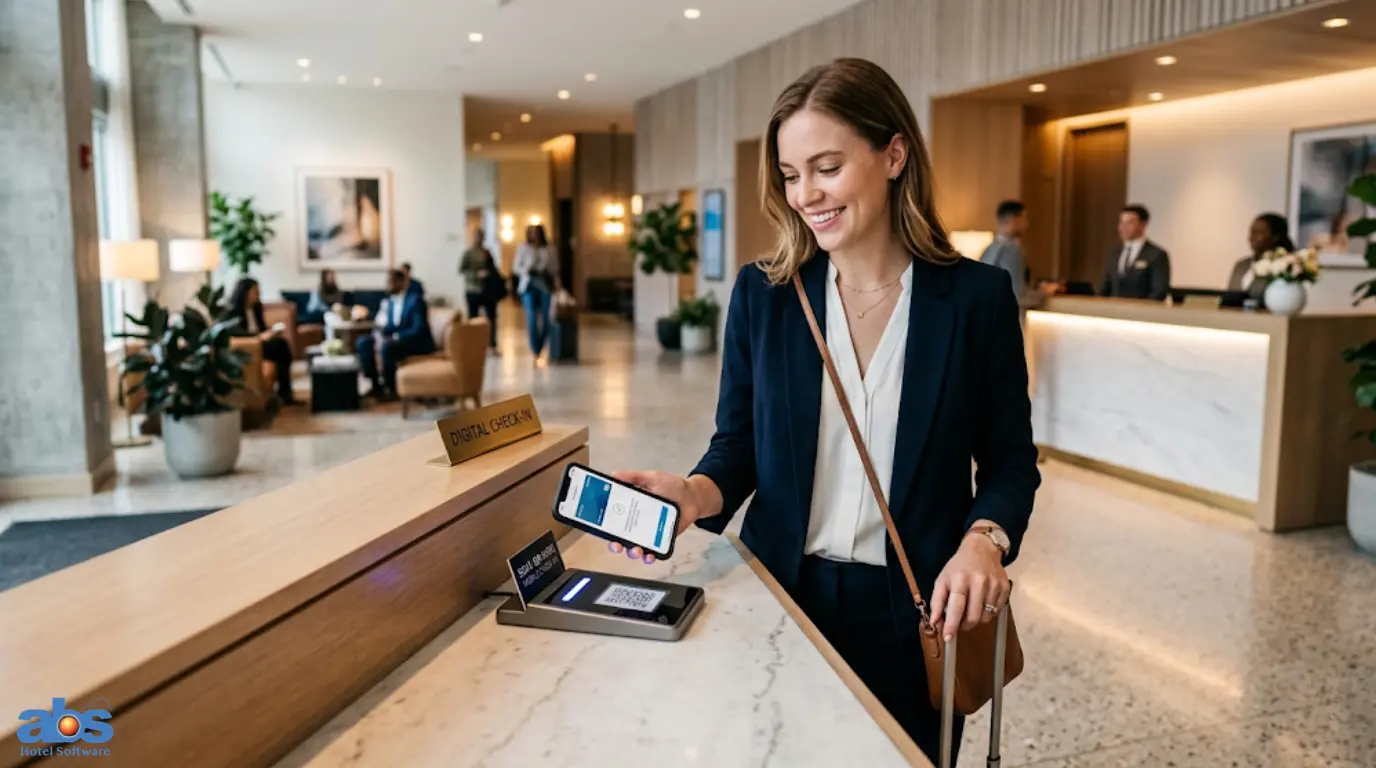
The Challenge: Nothing plummets hotel guest satisfaction faster than long check-in queues after a tiring flight. Furthermore, calling the front desk for simple room service or extra towels can feel outdated and inconvenient. The Digital Solution: Mobile check-in and check-out options, self-service lobby kiosks, and custom in-app service requests. Empowering guests to bypass lines and order amenities straight from their smartphones dramatically speeds up response times and elevates convenience.
3. Unlocking Personalized and Enriching Experiences
The Challenge: Tailoring a stay to individual preferences is nearly impossible if your staff doesn’t have immediate access to comprehensive guest data and past-stay insights. The Digital Solution: Integrated Customer Relationship Management (CRM) platforms and dynamic guest profile systems. By automatically analyzing data on past behaviors and preferences, hotels can proactively offer personalized local recommendations, favorite welcome drinks, and curated room setups.
4. Enhancing Hotel Restaurant and F&B Efficiency
The Challenge: Paper menus are prone to wear and tear, difficult to update for seasonal specials, and offer zero upselling assistance. Furthermore, manual order-taking creates communication bottlenecks between the serving staff and the kitchen. The Digital Solution: Digital menus, QR-code table ordering systems, and tablet-based Point-of-Sale (POS) solutions. These streamline the entire F&B process, allow for real-time menu modifications, automate suggestive upselling, and guarantee crystal-clear communication between the front-of-house and the kitchen.
5. Augmenting Overall Operational Efficiency
The Challenge: Outdated, manual operational processes inevitably lead to staff burnout, misplaced maintenance tickets, and delayed housekeeping—all of which bleed into the guest experience. The Digital Solution: Robust Property Management Systems (PMS), task automation tools, and staff collaboration applications. By automating inventory tracking, maintenance dispatching, and housekeeping schedules, your staff spends less time buried in paperwork and more time facilitating face-to-face guest interactions.
Conclusion: Securing Long-Term Hotel Guest Satisfaction Through Technology
In today’s hospitality landscape, relying solely on traditional service methods is no longer enough to meet the high standards of modern travelers. As outlined above, the key to unwavering hotel guest satisfaction lies in bridging the gap between exceptional human hospitality and seamless digital convenience.
By embracing technology from mobile check-ins and cloud-based booking portals to intelligent CRM systems hoteliers can eliminate the operational bottlenecks that cause friction during a stay. Ultimately, these technological investments do more than just upgrade your property’s infrastructure; they empower your staff to step away from manual administrative tasks and focus entirely on what matters most: creating personalized, unforgettable moments for every guest who walks through your doors. Adapting to these digital solutions isn’t just about keeping up with the competition; it’s about future-proofing your brand and guaranteeing sustainable growth for years to come.
Frequently Asked Questions (FAQs) About Enhancing Hotel Guest Satisfaction
Q: What is the most important factor in hotel guest satisfaction?
A: While amenities and room quality are vital, seamless and personalized service is often the most critical factor. Guests value frictionless experiences, such as fast check-ins, quick responses to service requests, and staff who anticipate their individual needs.
Q: How does technology improve the guest experience in a hotel?
A: Technology streamlines operations, removing friction from the guest journey. Solutions like mobile check-in, QR-code dining menus, and in-app service requests give guests control and convenience, while CRM systems allow staff to provide highly personalized recommendations based on past data.
Q: Can enhancing guest satisfaction really impact a hotel’s revenue?
A: Yes, significantly. High satisfaction leads to positive online reviews (which attract new bookings) and brand loyalty (which guarantees repeat business). Additionally, a satisfied guest is much more likely to spend money on premium on-site amenities like dining and spa services.
Q: How can I measure hotel guest satisfaction effectively?
A: Hotels can measure satisfaction through automated post-stay email surveys, monitoring online review platforms (like TripAdvisor and Google Reviews), tracking Net Promoter Scores (NPS), and analyzing direct feedback gathered through their property management app during the stay.