
Navigating the New Normal: How Hospitality Technology
is Redefining Guest Expectations and Safety
Category: Hospitality Technology & Hotel Operations | Reading Time: 8 Minutes | Author: Javier
The global landscape has fundamentally altered customer behavior and the hospitality sector is no exception. Initially, hotel operators had to act swiftly to mitigate crises through cost-cutting and reducing physical touchpoints. Today, as the industry operates in a fully realized “new normal,” merely reopening is not enough. Complying with and adapting to permanently shifted consumer habits is critical.
To gain and sustain customer trust, hoteliers must reconnect with guests in a manner that meets their heightened expectations for convenience, autonomy, and security. Simultaneously, hotel management must optimize operational efficiency. Without the assistance of comprehensive hospitality technology, managing predictive analytics, distribution channels, and room rate plans becomes a logistical nightmare requiring massive and costly human resources.
Fortunately, modern automated hotel management systems are allowing properties to maximize their workforce, boost productivity, and seamlessly enhance the overall guest experience.
The Impact of Hospitality Technology on Shifting Guest Expectations
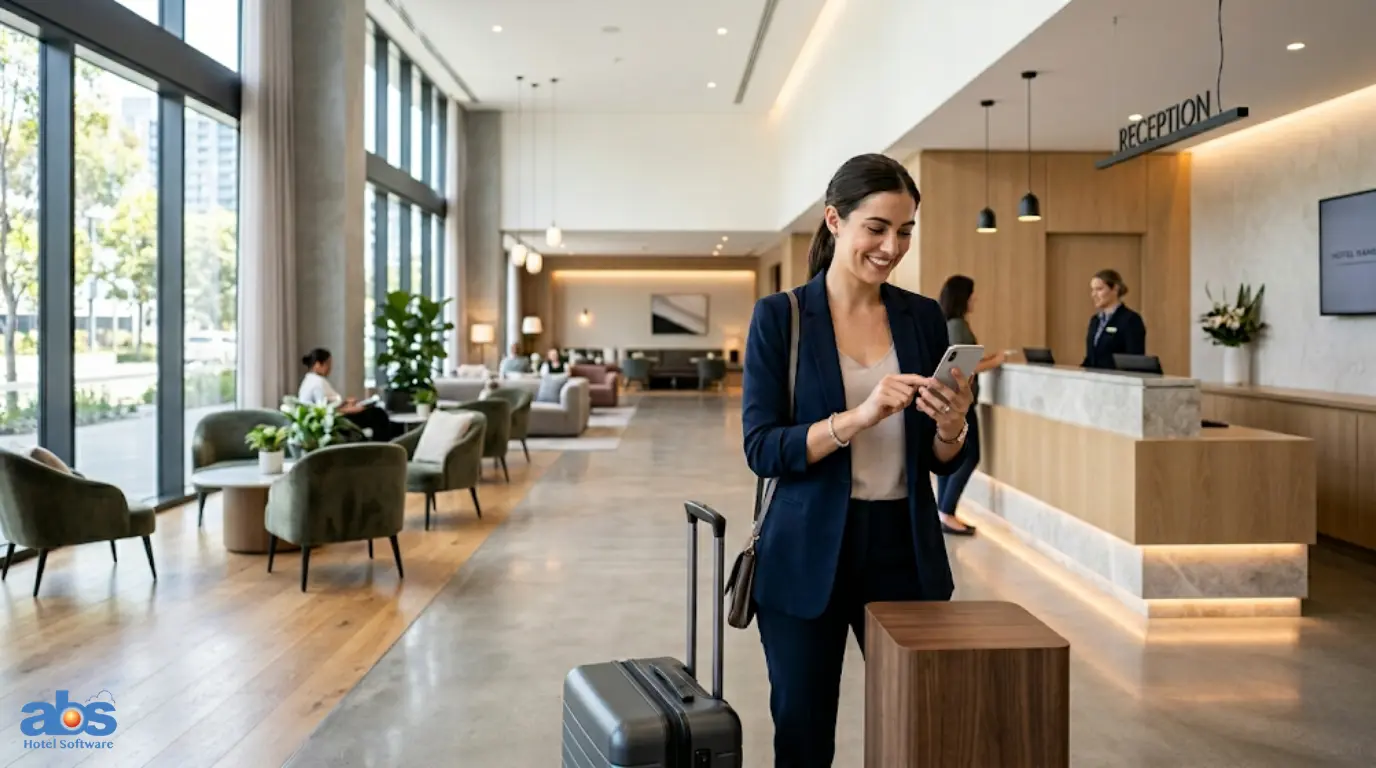
Today’s hotel guests expect personalized, authentic, and frictionless service from the moment they begin researching a trip to the moment they check out. Anything short of this is likely to result in negative feedback. When a traveler uses a mobile device to search for a hotel, they anticipate results tailored to their location, time of day, and past preferences.
This expectation for deep personalization extends across the entire guest journey. Hospitality innovation has fundamentally shifted guest perceptions, granting them an unprecedented sense of freedom. Where bookings once occurred primarily over the phone, modern Online Travel Agencies (OTAs), direct websites, and robust online booking engines now dominate. Technology has trained guests to expect that their preferences will not only be recorded but proactively utilized to deliver a better stay.
Key Strategies to Adapt to Changing Guest Demands
To properly align with how hospitality technology is redefining guest expectations, hoteliers should implement the following strategies:
-
Utilize Guest Apps: Develop mobile applications to deploy highly effective, personalized loyalty promotions.
-
Implement Advanced Analytics: Adopt automated marketing tools powered by machine learning to gain deeper consumer insights and predictive behavior models.
-
Leverage Cloud Innovations: Fully integrate cloud-based Property Management Systems (PMS) with modern online booking engines to capture direct bookings.
-
Deploy Virtual Technology: Use augmented reality (AR) or virtual reality (VR) to offer virtual room tours, enhancing the pre-arrival and on-property experience.
Thriving in the New Normal: Redefining Hotel Safety and Guest Experiences
As technology removes traditional constraints, forward-thinking hoteliers are aggressively embracing digital transformation. While managing capacity and preventing viral transmission remain baseline considerations, hoteliers are now leveraging these safety measures as a foundation to provide exceptional, tech-enabled service.
1. Enhancing Hotel Hygiene and Safety Protocols
Even in a stabilized travel environment, offering a measurably hygienic space is paramount. Guests remain highly conscious of cleanliness, and hoteliers must maintain trust by delivering superior, verifiable sanitization. Advanced hospitality technology solutions that feature contact tracing and digital auditing help management enforce these standards efficiently.
Modern hoteliers can underscore their commitment to hotel safety through the following approaches:
-
Clearly specifying cleaning procedures and frequency via digital in-room compendiums.
-
Utilizing digital signage to communicate real-time safety updates.
-
Emphasizing hygiene guidelines, such as visible hand sanitizer stations mapped out on the hotel’s mobile app.
2. Deploying Touchless Hospitality Technology Solutions
Despite economic pressures, hotel operators must continue investing in their technology stack to ensure their platforms enhance productivity without bloating operating costs.
A cloud-based Property Management System (PMS) is the heart of this operational efficiency. Real-time accessibility, centralized booking intelligence, and direct integration streamline front-office processes—from invoicing to room allocations.
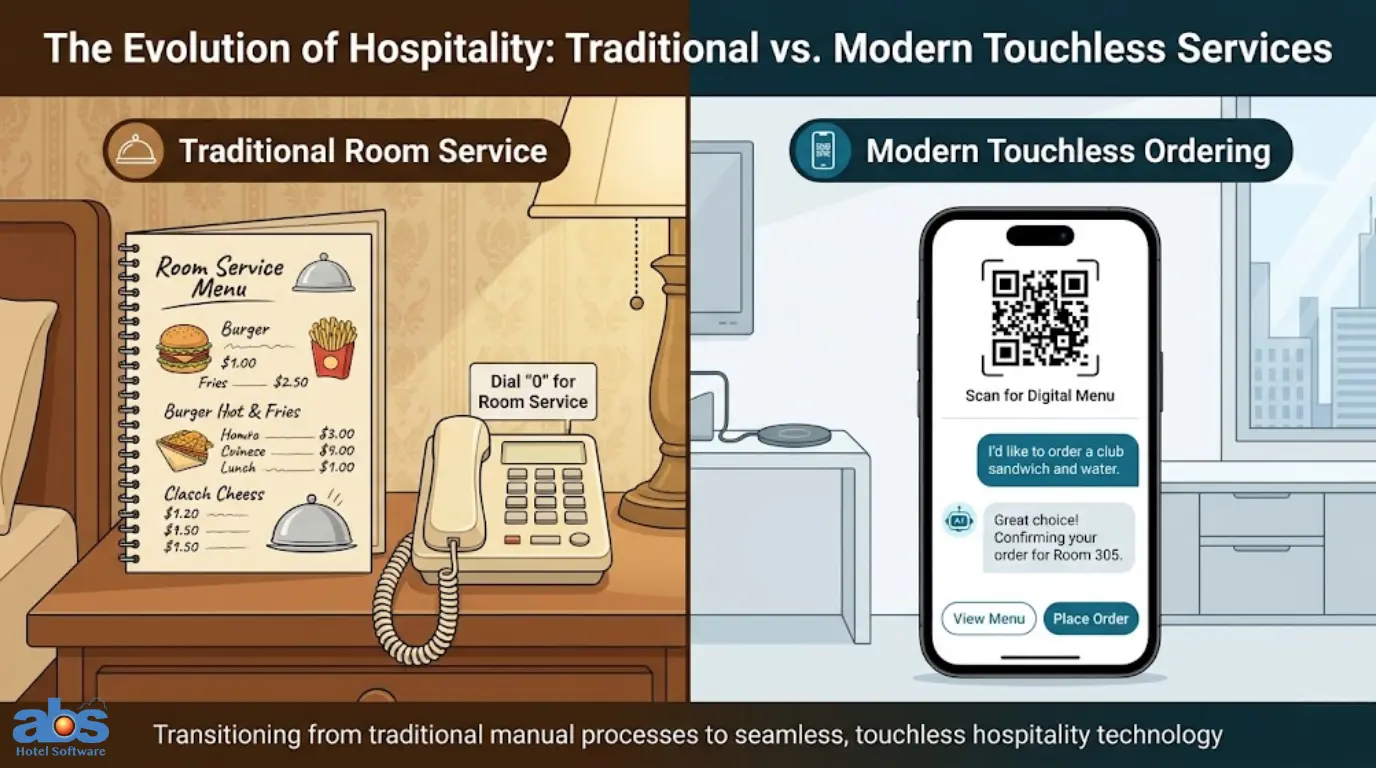
Similarly, deploying a dedicated Guest App eliminates unnecessary human interaction, offering an elevated, touchless experience that resolves safety concerns. Features like AI-enabled ID scanning, mobile keys, and smart room controls give guests autonomy. The primary advantages of implementing touchless hotel technologies include:
-
Enhanced safety for both guests and staff members.
-
Increased on-the-go convenience and instant gratification.
-
Dramatically improved operational efficiency.
-
Streamlined, instant communication between guests and staff.
3. Providing a Tailored, Tech-Driven Guest Experience
Customer engagement is the cornerstone of an exceptional stay. With the right hotel software solutions, providing a customized experience is entirely viable at scale.
Consider the widespread adoption of QR codes. A simple QR code directs guests to a digital ordering link, enabling contactless transactions and giving guests confidence in their safety. Furthermore, integrated hospitality technology allows hoteliers to track these digital orders, making it incredibly easy for guests to reorder their favorites on future visits.
When it comes to guest interactions, modern travelers demand instant responses. Integrating an AI chatbot with an online booking engine or a guest app allows travelers to complete reservations, request extra towels, or book spa appointments simply by conversing with a virtual assistant.
Conclusion
The hotel industry must remain acutely aware of shifting consumer preferences. As global travel continues its robust resurgence, competence, safety, and convenience remain the critical pillars of hospitality. Consistency in hygiene and strict operational compliance are non-negotiable.
As recent years have proven, hoteliers thrive in this digital era by incorporating the latest technology into the core of their operations. By streamlining travel processes and implementing a robust, integrated technology stack, hoteliers can seamlessly adapt to the “new normal,” ensuring profitability while delivering a flawless, secure, and highly personalized guest experience.
Frequently Asked Questions (FAQ)
Q: How is hospitality technology redefining guest expectations?
A: Hospitality technology is shifting expectations by providing guests with instant, mobile-first control over their stay. Guests now expect hyper-personalized service, mobile check-ins, digital room keys, and instant communication via apps or chatbots, moving away from traditional, slower front-desk interactions.
Q: What is touchless hospitality technology, and why does it matter for hotel safety?
A: Touchless technology includes tools like QR code menus, mobile keyless entry, self-check-in kiosks, and contactless payments. It matters because it minimizes physical contact with high-touch surfaces and staff, significantly enhancing hotel safety and hygiene while providing a faster, more convenient guest experience.
Q: How does a cloud-based PMS improve operational efficiency?
A: A cloud-based Property Management System centralizes all hotel operations—such as reservations, housekeeping, billing, and distribution channels—into one real-time dashboard. This automates repetitive tasks, reduces human error, and allows staff to focus on delivering exceptional guest service rather than managing administrative paperwork.
Q: Can touchless tech actually improve personalization?
A: Yes. While it reduces face-to-face interaction, touchless tech captures valuable data on guest preferences (such as room temperature preferences, common room service orders, and preferred check-in times). Hotels can use this data to tailor future stays, offer targeted upgrades, and provide a highly customized experience.