8 Ways Hostel Marketing Should Differ from Hotel
Marketing in 2026
Category: Hospitality Marketing | Reading Time: 6 Minutes | Author: Javier
The TL;DR: In 2026, generic marketing is invisible. Great hostel marketing doesn’t just compete with hotels; it redefines the playing field. It amplifies the core difference—turning community, hybrid living, and authentic localism into your biggest competitive advantage.
At first glance, you might think the youth hostel digital strategy has merged entirely with traditional hotels. Both need a seamless mobile booking experience, a strong presence on TikTok and Instagram, and a brand that stands for something. However, while both sectors are technically selling a night’s stay, the product itself couldn’t be more different. Hotels sell privacy and consistency; hostels sell connection and spontaneity.
To understand the core differences driving hospitality marketing trends this year, look at how the two models compare:
The 2026 Hospitality Paradigm: Hotel vs. Hostel
| Feature | Traditional Hotel Marketing | Modern Hostel Marketing (2026) |
| Core Product | Privacy, consistency, and standardized luxury. | Community, connection, and social ecosystems. |
| Target Audience | Tourists, families, and traditional corporate travelers. | Gen Z, Gen Alpha, solo travelers, and “bleisure” digital nomads. |
| Ad Strategy | Long-lead bookings and seasonal campaigns. | Spontaneous, geofenced, last-minute targeting. |
| Brand “Vibe” | Polished, corporate, and detached from the street level. | Hyper-local, raw, authentic, and staff-driven. |
As we move through 2026, the most successful backpackers’ accommodations are those that double down on these differences. With the rise of the “bleisure” economy and a new generation of travelers who value experiences over luxury, here are 8 distinct ways hostels should tailor their marketing to stand out.
Why Hostel Marketing Strategies Must Diverge from Hotels
1. Selling the “Intentional” Social Side
In 2026, the desire for genuine connection is stronger than ever in a world that feels increasingly digital. When guests choose a hostel, they aren’t just looking for a cheap place to sleep; they are actively opting into a social ecosystem. Gen Z travel habits shows that Gen Z and the emerging Gen Alpha are curating their travels around communities they can join, not just sites they can see.
Hostel marketing must therefore showcase not just that people are having fun, but how they are connecting. Use features like Instagram Stories and TikTok Live to broadcast curated events in real-time, showing solo travelers the ready-made community they will walk into. Move beyond generic party shots and highlight skill-sharing sessions, communal dinners, and wellness workshops.
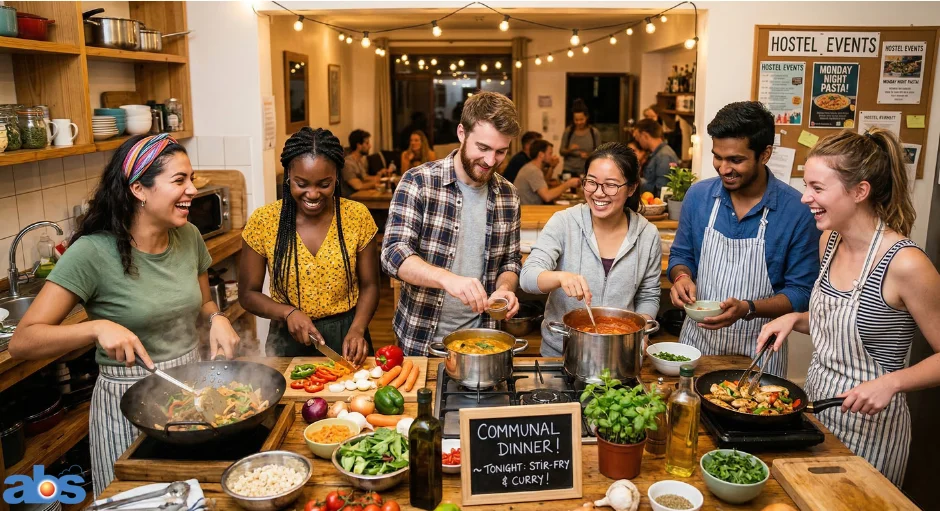
- Travelers enjoying a communal dinner, highlighting the social side of hostel marketing in 2026.
2. Keeping it Hyper-Local
The desire to “live like a local” has evolved into a demand for “hyper-local” authenticity. Travelers in 2026 are savvy; they can spot a corporate, generic travel experience from a mile away.
Unlike large hotel chains with centralized marketing, hostels are inherently embedded in their neighborhoods. Your marketing should weaponize your staff’s local knowledge. Create interactive, AI-driven guides on your website that allow potential guests to build their itinerary based on your team’s recommendations. Partner with local TikTok creators to produce content that feels raw and authentic, showing the hidden gems that hotels simply can’t offer.
3. Showcasing the Destination, Not Just the Doorstep
The modern hostel guest is rarely stationary. They are stitching together a patchwork of destinations. Your marketing needs to cater to this transient mindset.
In 2026, this means positioning your property as a chapter in a larger story. Forge “passport” partnerships with other hostels along popular overland or rail routes to cross-sell the journey. When a guest books with you via a system like the ABS Property Management System, you can trigger automated emails that provide valuable info on the next leg of their journey. By helping them plan their entire route, you build trust and brand loyalty that extends far beyond a single booking.
Humanizing the Brand: A Core Hostel Marketing Difference
4. Introducing the Human Firewall
In an era of AI chatbots and automated check-ins, human interaction becomes a premium luxury. Hostel teams are the ultimate differentiator. They are the community managers, the local guides, and the friendly faces that turn a stay into a memory.
Your marketing should put these people on a pedestal. Ditch the generic stock photos. Use short, punchy video profiles on social media introducing your “Head of Vibe” or your “Local Legend” bartender. A “Meet the Team” section on your website is standard, but a rotating series of Instagram Reels showing your staff’s daily life and recommendations is what builds a personal connection before the guest even arrives.
Data-Driven Hostel Marketing Tactics for 2026
5. Promoting Experiential Add-Ons with Precision
A bed is a commodity, but an experience is a memory. Hostels are engines for activities, from guided hikes to cooking classes. In 2026, effective revenue management for hostels starts before check-in.
When a guest books directly through a direct booking engine integrated with a robust Property Management System (PMS) like ABS Property Management System, you gain crucial data—not just their name, but their nationality, travel style, and reason for travel. Use PMS data to power highly personalized email upselling. If a solo traveler books a dorm bed, send them an invite to the nightly family dinner. If a remote worker books a private room, highlight your co-working space.
6. Targeting Travelers on the Fly
The spontaneous nature of hostel travel hasn’t changed, but the tools to capture it have. Hostel guests are often making decisions on a train, in a café, or at a bus station.
Leverage the advanced geofencing capabilities of paid social media ads to capture the impulsive “where are we sleeping tonight?” crowd. Target users who are actively posting from a location within a 50-mile radius of your property. Serve them dynamic ads showcasing tonight’s event, last-minute bed availability, or a flash discount on a private room.
Adapting to New Traveler Personas
7. Appealing to the Hybrid Traveler (The “Bleisure” Hostel)
The line between work and travel has completely dissolved. The “digital nomad” is no longer a niche; they are the mainstream. Industry data suggests that by 2026, over 40% of hostel guests will incorporate remote work into their stay, making high-speed WiFi and co-working spaces non-negotiable.
Your marketing needs to explicitly target the bleisure (business + leisure) traveler. Showcase your co-working specs: monitor plug-ins, ergonomic chairs, soundproof Zoom pods, and hyper-fast, fiber-optic WiFi. Market your hostel as a basecamp for “workcations.” You’re not just selling a bed; you’re selling a productive and socially fulfilling remote office.
8. Challenging Outdated Perceptions (The “Flashy” Side)
The “hostel = hostel” stigma is fading, but it’s not gone. Many travelers still picture cramped dorms and questionable security. The explosion of “poshtels,” design-led hostels, and eco-conscious properties has completely redefined the aesthetic, but marketing needs to close the perception gap.
In 2026, it’s time to be unapologetically flashy. Use high-quality visuals of plush private suites and architecture to demonstrate that “budget” does not mean “low-quality.” By showcasing the stylish, thoughtful design of modern hostels, you capture the attention of the hotel-curious traveler who values aesthetics but craves community.
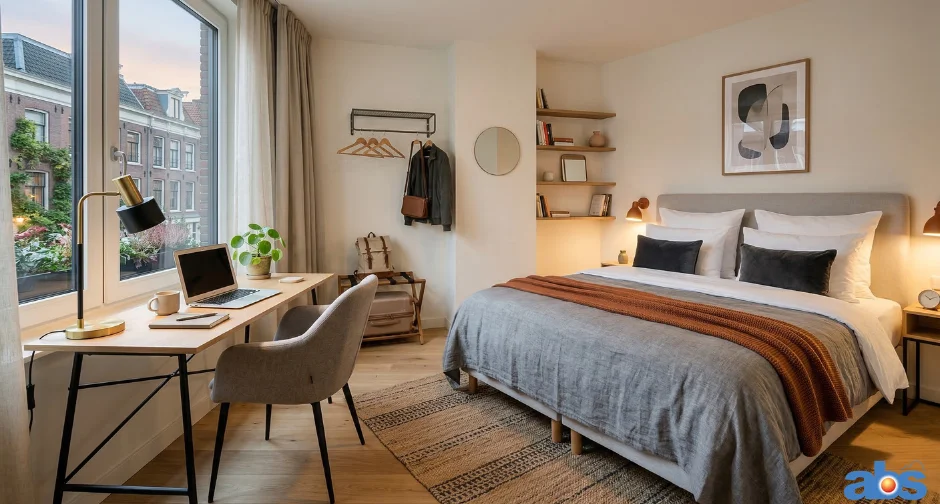
- A luxurious private suite in a modern hostel, challenging outdated travel perceptions.
Conclusion: Thrive by Amplifying Your Strengths
As the hospitality landscape continues to evolve at breakneck speed, one thing is clear: hostels that use digital tools to amplify their unique strengths—community, local knowledge, and authentic experiences—will not just survive, but thrive in the years to come. Hotel marketing sells a room; hostel marketing sells a lifestyle. Ensure your digital footprint reflects exactly that.
Ready to Elevate Your Hostel Marketing in 2026?
Unlock the power of automated, data-driven guest experiences and maximize your direct bookings.
👉 [Click Here to Request Demo or Contact Our Software Consultant] to see how ABS Property Management System can transform your bookings.
Frequently Asked Questions (FAQ)
Q:What is the main difference between hostel marketing and hotel marketing?
A:The primary difference is the core product offering. Hotel marketing focuses on privacy, consistency, and luxury amenities. Hostel marketing focuses on community, social experiences, spontaneous travel, and hyper-local authenticity.
Q:How can hostels attract digital nomads in 2026?
A:Hostels can attract digital nomads (or “bleisure” travelers) by marketing their properties as hybrid workspaces. Key strategies include highlighting high-speed fiber-optic WiFi, ergonomic co-working spaces, soundproof meeting pods, and networking events tailored to remote workers.
Q:Why is geofencing important for hostel marketing?
A:Geofencing is crucial because hostel travelers often make spontaneous, last-minute booking decisions. By using location-based ads, hostels can target travelers within a specific radius (e.g., 50 miles) with dynamic offers for immediate bed availability or tonight’s social events.
Q:How does a Property Management System (PMS) improve hostel marketing?
A:A modern PMS captures vital guest data during the booking process, such as travel style and demographics. Hostels can use this data to send highly personalized automated emails, upselling experiential add-ons like co-working passes for remote workers or communal dinners for solo travelers.