
10 Stunning Hotel Website Designs & How to Create Your Own
Category: Hotel Operating System | Reading Time: 10 Minutes | Author: Javier
Your website is often the very first impression potential guests have of your property—long before they ever step through your front doors. A slow, confusing, or outdated site tells a story you don’t want to convey. On the flip side, stunning hotel website designs work just as hard as your front desk staff to showcase your rooms, build trust, and make the booking process completely effortless.
Whether you manage a boutique inn, a sprawling resort, or a luxury vacation rental, today’s travelers compare your site against top Online Travel Agencies (OTAs). In this guide, we’ll explore the key design principles that make up the best hotel websites and show you exactly how to create your own.
Core Visual Elements of the Best Hotel Website Designs
What makes a great hotel website stand out? To compete with OTAs, your site needs to rely on powerful visuals and undeniable authenticity.
High-Quality Images & Professional Photography
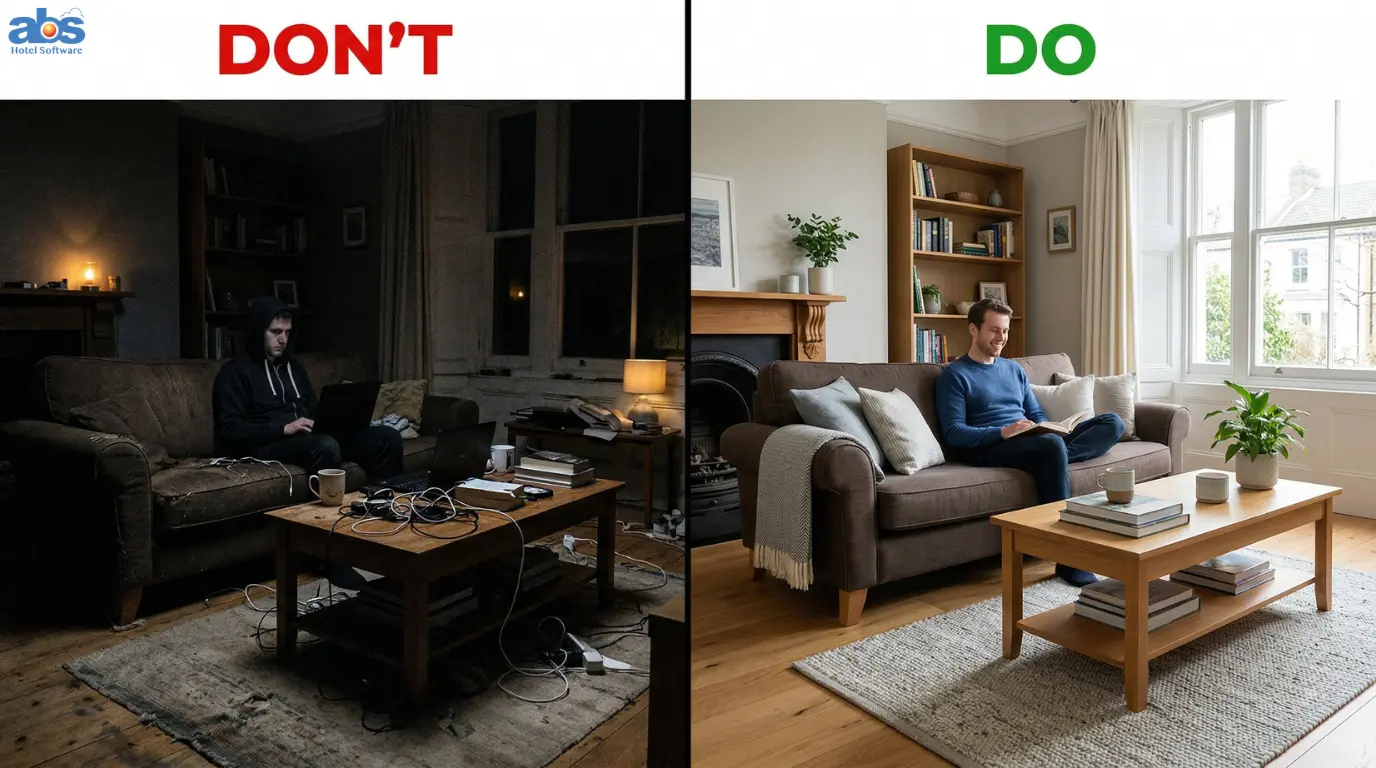
Authentic, high-quality images immediately grab a traveler’s attention. Skip the unnatural stock photos and low-resolution snapshots. Instead, invest in professional photography that highlights your property’s best features.
-
Embrace white space: Let your visuals breathe.
-
Showcase room types: Give guests a clear view using a carousel or slideshow for each room option. Transparency builds trust and show them exactly what they are booking.
Immersive, Lightweight Video Content
Use video strategically. To avoid slowing down your site’s load speed, skip heavy spoken content. Instead, use rich visuals, subtle animations, and sweeping drone footage that immerses viewers in your property’s atmosphere. If you must use dialogue, always include subtitles.
Authentic Guest Reviews & Social Proof
Social proof is a massive conversion driver. Displaying real guest reviews prominently on your homepage helps build rapport. Always default to authenticity, be honest about your property’s current state and amenities to ensure expectations match reality. Consider using reputation management tools to automate your review collection.
Essential Features When You Create Your Own Hotel Website
If you want to build your own hotel website that actually drives direct revenue, looking pretty isn’t enough. It must be highly functional.
Mobile-Friendly & Fast-Loading Design
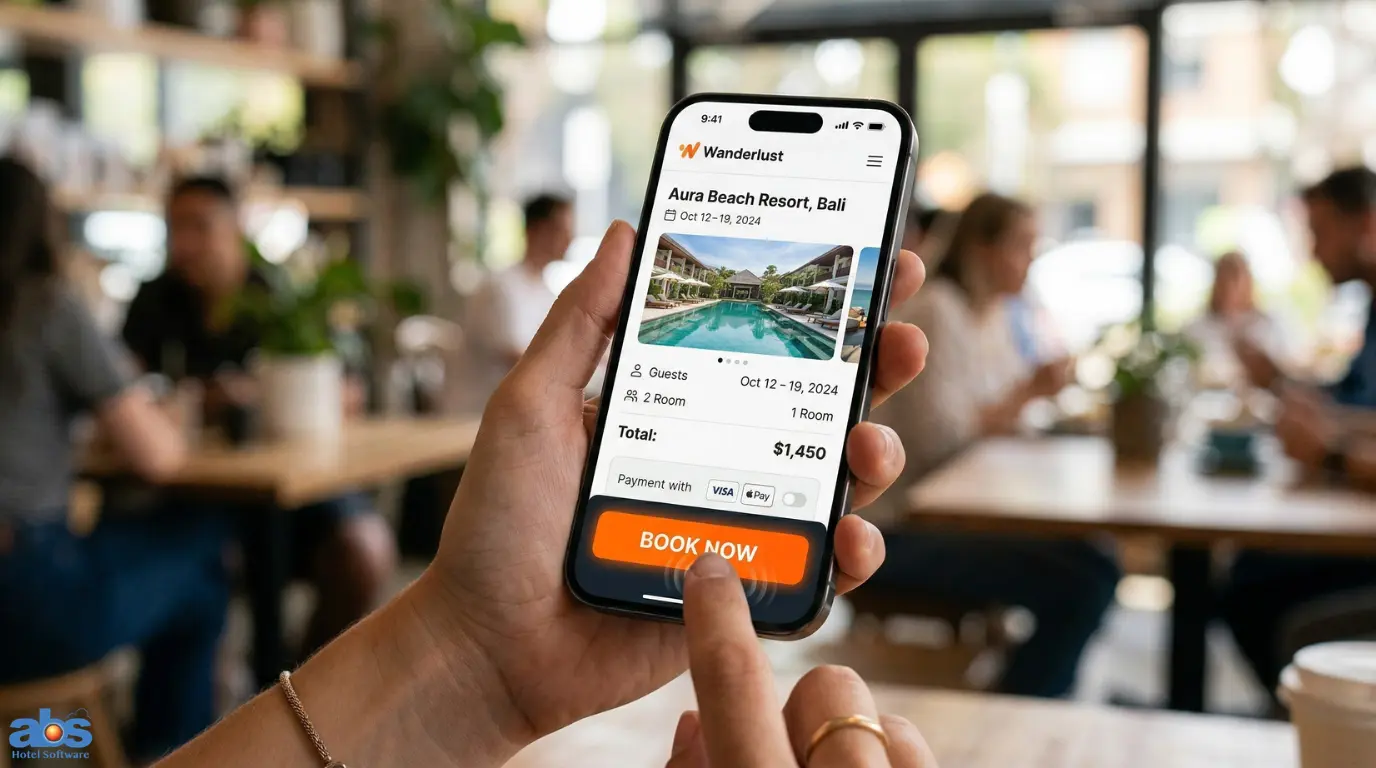
Mobile bookings are surging; industry estimates suggest 1 in 4 travel bookings will be made on a mobile device by 2024. If your hotel website design isn’t optimized for phones and tablets, you are leaving revenue on the table. Furthermore, speed is critical. Over half of users will abandon a mobile site that takes longer than three seconds to load. Ensure your design is fully responsive and lightning-fast.
Seamless Booking Engine Integration
Treating your website and your booking engine as separate entities causes friction and increases cart abandonment. To turn lookers into bookers, integrate your booking engine directly into your site. A seamless, branded booking flow prevents duplicate data entry and inventory errors.
Built-In Upsells & Revenue Drivers
Once a guest is engaged, use your site to encourage upsells. Offer room upgrades, spa treatments, breakfast packages, or local excursions during the checkout flow to boost ancillary revenue and enhance the guest stay.
Clear CTAs & Rate Comparison Tools
-
Rate Checkers: Maintain rate parity and show guests they are getting the best deal by including a transparent rate comparison widget.
-
Strong CTAs: Match your button copy to the intended action (e.g., “Book Now,” “See Photos,” “Learn More”).
-
Consistent NAP Data: Keep your Name, Address, and Phone number consistent across your site, Google Maps, and TripAdvisor.
How to Write Compelling Content for Your Hotel Website
A beautiful design needs engaging content to match. You don’t need long, poetic paragraphs; rely on clear, sensory language and bullet points for easy scanning.
Crafting the Perfect Hotel Description
Keep the guest experience front and center. Be sure to include:
-
Amenities: Wi-Fi, breakfast details, gym and spa access, restaurant hours.
-
Room Details: Views, bed configurations, and in-room perks.
-
Location: Nearby attractions and a brief “About” story detailing your property’s history.
Keeping Content Fresh for SEO & Guests
Regularly update your site with new imagery. Review property photos annually, shoot new food and beverage content for your restaurant, and capture the unique essence of your seasonal packages. Consider adding a local travel guide blog to boost your SEO and attract organic search traffic.
3 Ways to Build Your Own Hotel Website
When you are ready to create a hotel website, you have three main paths depending on your technical skills and budget.
1. Custom Website Development (e.g., WordPress)
Platforms like WordPress offer endless flexibility, plugins, and templates. However, to achieve a truly stunning hotel website design, you will likely need to hire a professional developer, which brings ongoing maintenance and troubleshooting costs.
2. DIY Website Builders (e.g., Wix, Squarespace)
These beginner-friendly platforms offer drag-and-drop tools and hotel-specific templates. While cost-effective, their built-in booking engines often struggle to integrate smoothly with your Property Management System (PMS) or channel manager, risking overbookings.
3. Partner with Hospitality Web Design Experts
If you want a polished, conversion-optimized site without the trial and error, partnering with hospitality software experts is the best route. They handle:
-
Seamless booking engine, PMS, and channel manager integration.
-
Mobile-first, high-converting UX/UI design.
-
Ongoing speed and SEO optimization.
While the upfront cost may be higher, it transforms your website into a revenue-generating asset rather than just a digital brochure.
Conclusion: Ready to Launch Your Stunning Hotel Website?
A highly effective hotel website does more than look stunning—it builds traveler trust, streamlines the booking journey, and significantly boosts your direct revenue. Prioritize mobile performance, authentic visuals, and a seamless guest experience from the very first click.
Frequently Asked Questions (FAQs) About Hotel Website Design
Q: What is the most important feature of a hotel website?
A: The most critical feature is a seamless, mobile-friendly booking engine integrated directly into the site. If guests cannot easily check availability and book a room from their smartphone, they will abandon the site and book through an OTA instead.
Q: How can I improve my hotel website’s conversion rate?
A: To turn lookers into bookers, ensure your site loads in under three seconds, use high-quality authentic photography, prominently display real guest reviews, and feature a rate comparison widget to prove you offer the best available price directly.
Q: Can I build a hotel website myself?
A: Yes, you can use DIY builders like Wix or Squarespace. However, for seamless syncing with your PMS and channel manager to prevent overbookings, partnering with a hospitality-focused web development platform is highly recommended.
Q: Why is SEO important for hotel websites?
A: A stunning design is only useful if travelers can find it. SEO (Search Engine Optimization) ensures your property ranks highly on Google when travelers search for accommodations in your area, driving free, organic traffic and direct bookings to your business.