
Why Hotels Need E-Invoicing: Top Benefits
and Your Step-by-Step Transition Guide
Category: Hospitality Technology & Financial Management | Reading Time: 5 Minutes | Author: Javier Tang
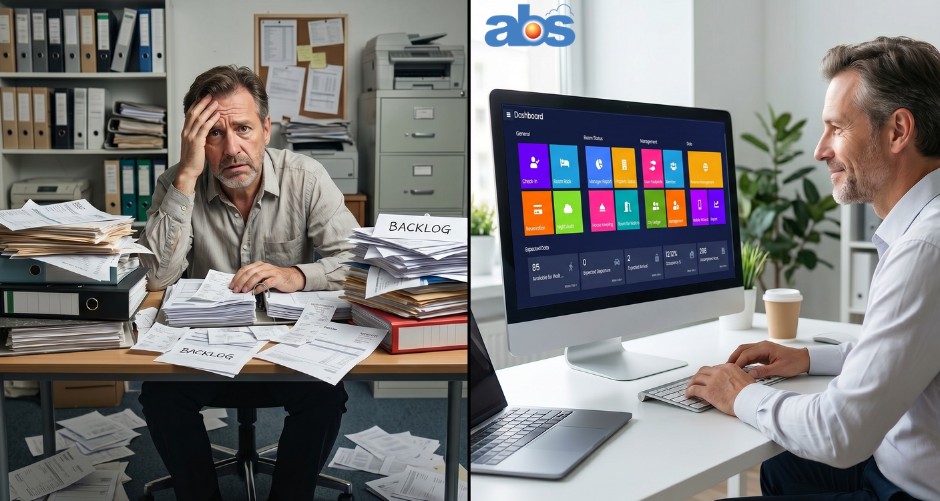
As of 1st January 2025, taxpayers in Malaysia with an annual turnover between RM25 million and RM100 million are required by the Inland Revenue Board (LHDN) to implement e-invoicing. This nationwide digital mandate applies to every industry—and the hospitality sector is no exception.
While adapting to a new tax submission system designed to combat tax evasion might seem like a daunting administrative hurdle, it is actually a disguised blessing. Hoteliers who act quickly can leverage advanced e-invoicing features to streamline operations, cut costs, and reap significant long-term benefits for their properties.
If you are wondering how to navigate this change, this guide explores the untold benefits of e-invoicing for hotels and provides a step-by-step roadmap on how to switch over seamlessly.
What is E-Invoicing in the Hospitality Industry?
An e-invoice is a verified digital record of a transaction between a supplier and a buyer. In a hotel context, it entirely replaces traditional paper or static electronic documents (like PDFs) for invoices, credit notes, and debit notes.
An e-invoice contains the exact same critical information as a traditional billing document—including supplier and buyer details, item descriptions, quantities, pricing, and tax amounts. However, it goes a step further by instantly validating and securely recording transaction data for your daily business operations in a format that tax authorities can automatically read and verify.
The Key Benefits of E-Invoicing for Hotel Management
Running a hotel requires constant purchasing and billing. From acquiring daily supplies like toiletries, fresh towels, and restaurant ingredients to billing corporate clients for conference spaces, the financial data is immense.
Here are the top advantages of transitioning to an automated e-invoicing system for your hotel:
1. Drastically Reduces Manual Billing Errors
The last thing a busy hotelier needs is a dispute over an invoice mistake. Manual data entry is prone to human error, which can lead to delayed payments and frustrated vendors. E-invoicing automates the data flow, extracting and populating details directly into each invoice issued, effectively eliminating the typos and miscalculations common with manual creation.
2. Real-Time Tracking for Healthier Cash Flow
Cash flow is the lifeblood of the hospitality business. With robust e-invoicing software, you can track your transactions in real time. You will know exactly when an invoice is sent, received, and paid. This instant visibility improves cash flow forecasting and empowers hotel management to make smarter, data-driven operational decisions.
3. Bulletproof Tax Compliance with LHDN
Regulatory fines can severely impact a hotel’s profit margins. By automating your billing and reducing entry errors, you ensure your property stays strictly compliant with LHDN’s evolving tax regulations. A compliant e-invoicing system automatically formats data to government standards, minimizing your risk of audits, penalties, and legal headaches.
4. Eco-Friendly Operations and Cost Savings
Modern guests increasingly prefer to stay at eco-conscious, sustainable properties. Switching over to e-invoicing is a massive step toward green operations. By eliminating paper, printing ink, postage, and physical storage space, you instantly reduce your carbon footprint and operational costs. Furthermore, your finance team saves countless hours that were previously spent hunting down physical files in filing cabinets.
5. Seamless Property Management System (PMS) Integration
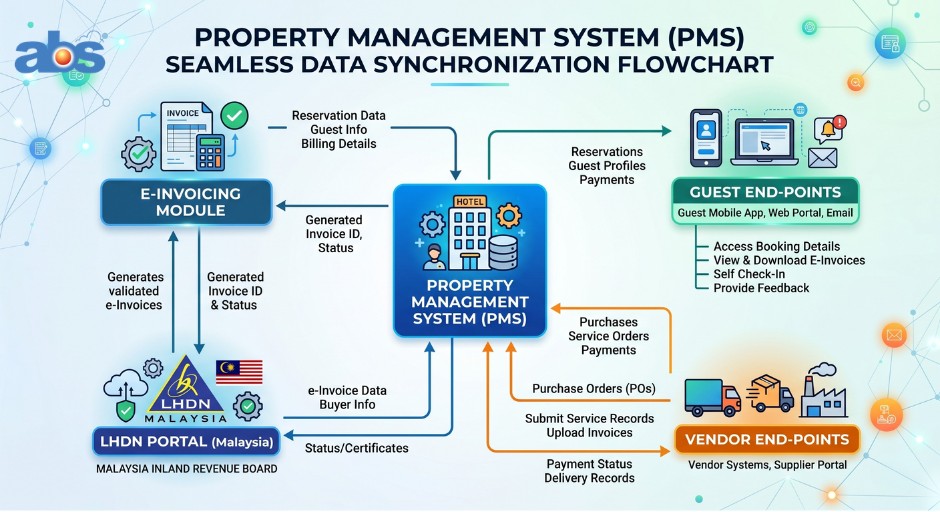
The true magic happens when your e-invoicing tools talk to your existing software. A Property Management System (PMS) that integrates seamlessly with e-invoicing significantly boosts staff efficiency. It centralizes your data, meaning your front desk, restaurant POS, and back-office finance teams are all looking at the same numbers. This allows you to avoid the friction of juggling two disconnected pieces of software.
How to Switch Over to an E-Invoicing System for Your Hotel
Now that you understand the powerful benefits of e-invoicing for hotels, it is time to prepare for adoption. Follow these four crucial steps to ensure your property transitions smoothly before the mandate deadlines:
Step 1: Assess Your Current Invoicing Workflow
Before shopping for solutions, look inward. Evaluate your current financial systems. Where are the bottlenecks? Are invoices frequently lost? Identify exactly what is missing from your existing setup and create a checklist of features your new e-invoicing system must have to solve those pain points.
Step 2: Understand Regional Tax Regulations
Familiarize yourself with the specific timelines and technical requirements in your region. For Malaysian hoteliers, this means reviewing the official LHDN guidelines regarding formatting (like XML or JSON files) and transmission methods. Understanding these rules ensures you only look at software that is 100% compliant.
Step 3: Choose a Specialized Software Provider
Not all billing software is built for the fast-paced hospitality industry. Once you have a shortlist of providers, evaluate them rigorously. Look for a trusted partner with a proven track record. Review their website, pricing transparency, customer testimonials, and—most importantly—their ability to integrate with your current hotel tech stack.
Step 4: Secure Data Migration and Validation
Moving your historical financial data to a new system can be intimidating. After acquiring your e-invoicing software, map out a clear data migration plan. Rely on your software provider’s onboarding and support teams to assist with data mapping and validation. This guarantees that no vendor histories, guest folios, or financial records are lost or corrupted during the switch.
Final Thoughts on Hotel Digital Transformation
The implementation of e-invoicing in Malaysia is more than just a new tax rule; it is a vital catalyst for digital transformation across the hotel industry. By moving away from outdated manual processes, hoteliers can strengthen their financial oversight, drastically reduce administrative costs, and completely mitigate the risk of regulatory penalties. Embrace the change today, and future-proof your property for tomorrow.
Ready to Upgrade Your Hotel’s Billing Experience?
Don’t wait until the mandate deadline is looming. Ensure your property is compliant, efficient, and ready for 2025.
Click Here to Request a Demo and Contact our software consultants today!
Frequently Asked Questions (FAQs) About Hotel E-Invoicing
1. When does e-invoicing become mandatory for hotels in Malaysia? Under LHDN regulations, taxpayers (including hotels) with an annual turnover between RM25 million and RM100 million must adopt e-invoicing by January 1, 2025. Businesses with different revenue brackets have separate phased rollout dates, culminating in a full mandate for all businesses by July 1, 2025.
2. Can I just email PDF invoices to guests and vendors? No. Under the new regulations, a standard PDF does not qualify as an e-invoice. A true e-invoice must be generated in a specific structured data format (like XML or JSON) that can be automatically validated by the LHDN MyInvois portal.
3. Will e-invoicing software integrate with my current Hotel Management System (HMS)? Yes, top-tier e-invoicing solutions are designed with Open APIs to integrate seamlessly with modern Hotel Management Systems. This ensures front-desk billing, restaurant POS systems, and back-office accounting all sync automatically without manual double-entry.
4. Is e-invoicing safe for sensitive hotel and guest financial data? Absolutely. Reputable e-invoicing platforms utilize bank-level encryption, secure cloud storage, and strict access controls to ensure that your financial data and your guests’ personal information remain completely protected and compliant with data privacy laws.
About the Author: Javier Tang is a Hotel Technology Consultant at BMS Solution, specializing in the Southeast Asian hospitality market. He helps streamline operations and maximize revenue for over 1,500 hotels across Malaysia, Singapore, Indonesia, and the Philippines.