The Ultimate Guide to Hotel Forecasting: Why It Matters and How to Master It
Category: Hotel Revenue Management & Technology | Reading Time: 10 Minutes | Author : Javier
Predicting the future isn’t magic—it’s smart business. In the fast-paced world of hospitality, looking ahead isn’t just helpful; it’s essential for survival and growth. Whether you are managing an independent boutique hotel or a large multi-property resort, knowing what tomorrow, next week, or next month looks like is the difference between a sold-out success story and empty rooms sitting at heavily discounted rates.
What Exactly Is Hotel Forecasting?
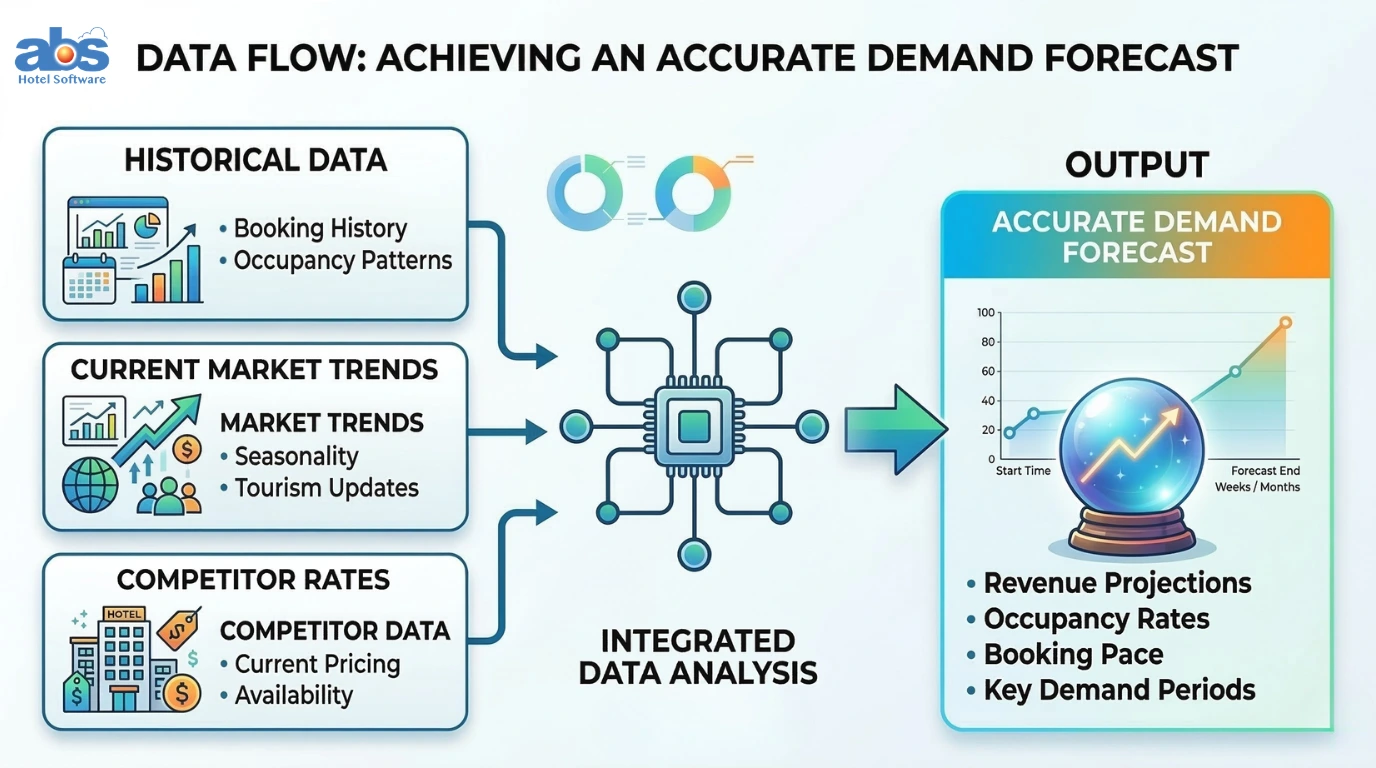
Let’s start with the basics. Hotel forecasting is the disciplined practice of predicting future business events by analyzing past performance, current data, and broader market trends. Think of it as your property’s crystal ball—but instead of mystical fog, it’s powered by statistics, market intelligence, and real-time booking data.
Typically, forecasting for hotels focuses heavily on demand:
-
How many rooms will we sell?
-
What Average Daily Rate (ADR) can we expect?
-
Which guest segments are most likely to book?
But a truly comprehensive forecast goes further. The best strategies also predict cancellation rates, group booking patterns, and anticipated revenue from ancillary services (like F&B and spa bookings). Forecasting isn’t guesswork; it is a systematic process that turns raw data into highly actionable insights.
Why Accurate Hotel Demand Forecasting Matters More Than Ever
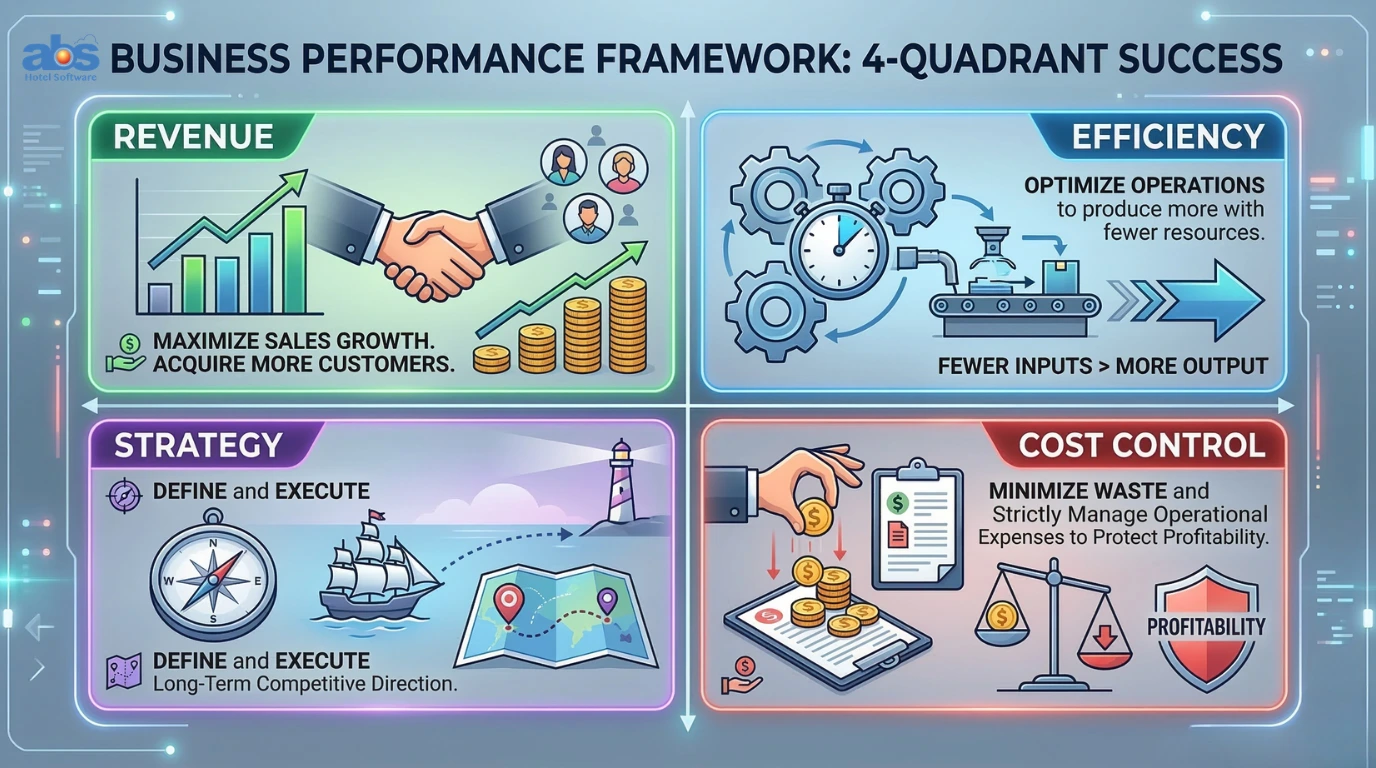
Accurate forecasting touches nearly every single department in your hotel operations. Here is why mastering it gives you a distinct competitive advantage:
1. Hotel Revenue Optimization
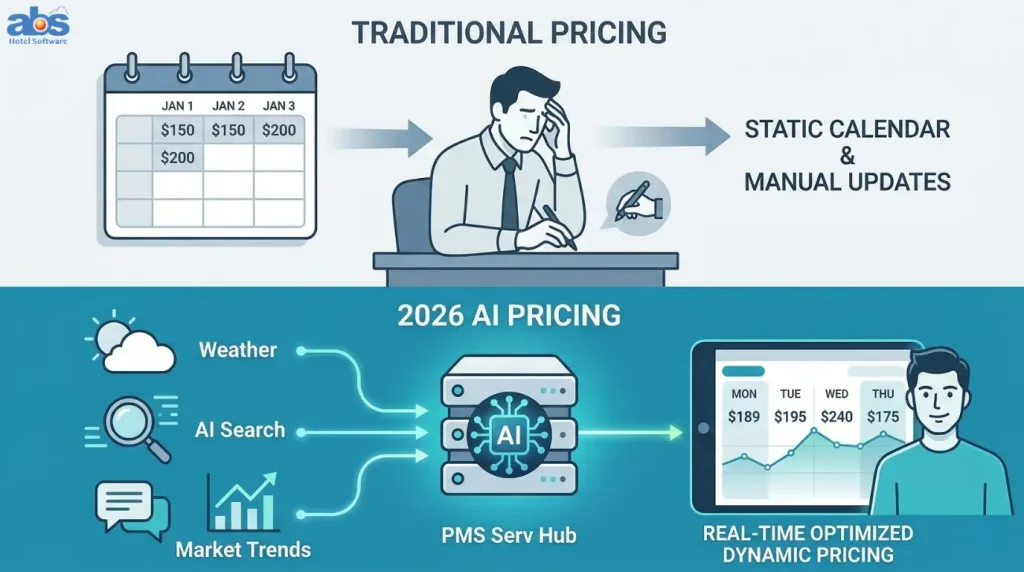
At its absolute core, forecasting is the engine that drives revenue management. When you can accurately predict incoming demand, you can adjust your pricing strategy accordingly. This allows you to confidently raise rates when booking velocity is strong and deploy strategic, targeted discounts when demand softens. Dynamic pricing isn’t about squeezing every last dollar; it’s about perfectly matching your price to market demand in real time.
2. Operational Efficiency and Staffing
Have you ever experienced a Tuesday where you were overstaffed and underbooked? Or a Saturday where the front desk was drowning in check-ins while housekeeping scrambled to flip rooms? Accurate forecasting helps you align your hotel staffing levels with actual expected demand.
-
Schedule the right number of front desk agents for check-in rushes.
-
Plan housekeeping shifts around specific checkout patterns.
-
Staff your restaurant based on occupancy projections.
The result? Happier employees, flawless guest service, and significantly lower labor costs.
3. Strategic Planning
Are you thinking about renovating the lobby? Adding a new restaurant concept? Expanding your efforts into corporate group sales? Forecasting helps you objectively evaluate whether the future demand exists to support those capital investments. It is the difference between betting on a gut feeling and investing with intelligence.
4. Effective Cost Control
When you know exactly what occupancy levels to expect, you can manage your resources much more effectively. From ordering the right amount of perishable food supplies to managing floor-by-floor energy usage, smart forecasting reduces waste and directly protects your bottom line.
What Makes Modern Forecasting in the Hospitality Industry Different?
If you’ve been in the hospitality industry for a while, you know the old playbook: look at last year’s spreadsheet, adjust for a few known local events, and call it a day. Today’s landscape, however, is far more complex.
Travel patterns have shifted dramatically. Post-pandemic, the industry is navigating:
-
Shorter Booking Windows: Guests are waiting until the very last minute to secure rooms.
-
Blurred Seasonal Lines: Remote work has made traditional “peak” and “off-peak” seasons less predictable.
-
The Rise of “Bleisure”: Travelers are increasingly blending business trips with leisure extensions.
-
Intense Competition: The alternative accommodation sector (like short-term rentals) is aggressively competing for your guests.
-
Experience-Driven Demands: Guests expect highly personalized stays.
Because history keeps rewriting itself, relying solely on historical data is a recipe for missed revenue. Traditional forecasting methods simply fall short in today’s dynamic environment.
How Hotel Forecasting Tools and Technology Are Changing the Game
The good news? Hotel management technology has evolved to keep pace with these shifts. Properties that embrace modern hotel forecasting tools are leaving outdated, manual methods in the dust.
Advanced Analytics and Machine Learning
Modern systems leverage algorithms that can spot intricate patterns human analysts might miss. They analyze the relationships between your booking pace, external market events, and real-time competitor pricing to determine exactly how they will impact your specific property’s demand.
Real-Time Data and PMS Integration
Your forecast should not be a static document generated once a week. Through seamless integration with your Property Management System (PMS) and channel managers, modern forecasting utilizes real-time data. This means your projections update continuously as new bookings, cancellations, and modifications flow in.
When your forecasting data integrates directly with an automated revenue management system, it takes things a step further automatically adjusting your public rates based on predicted demand shifts, completely removing manual intervention from the equation.
Building a Winning Hotel Revenue Forecasting Culture
How do you get started? The most profitable hotels don’t just buy a software license and hope for the best; they build a proactive culture around data and forecasting.
4 Steps to Master Your Forecast:
-
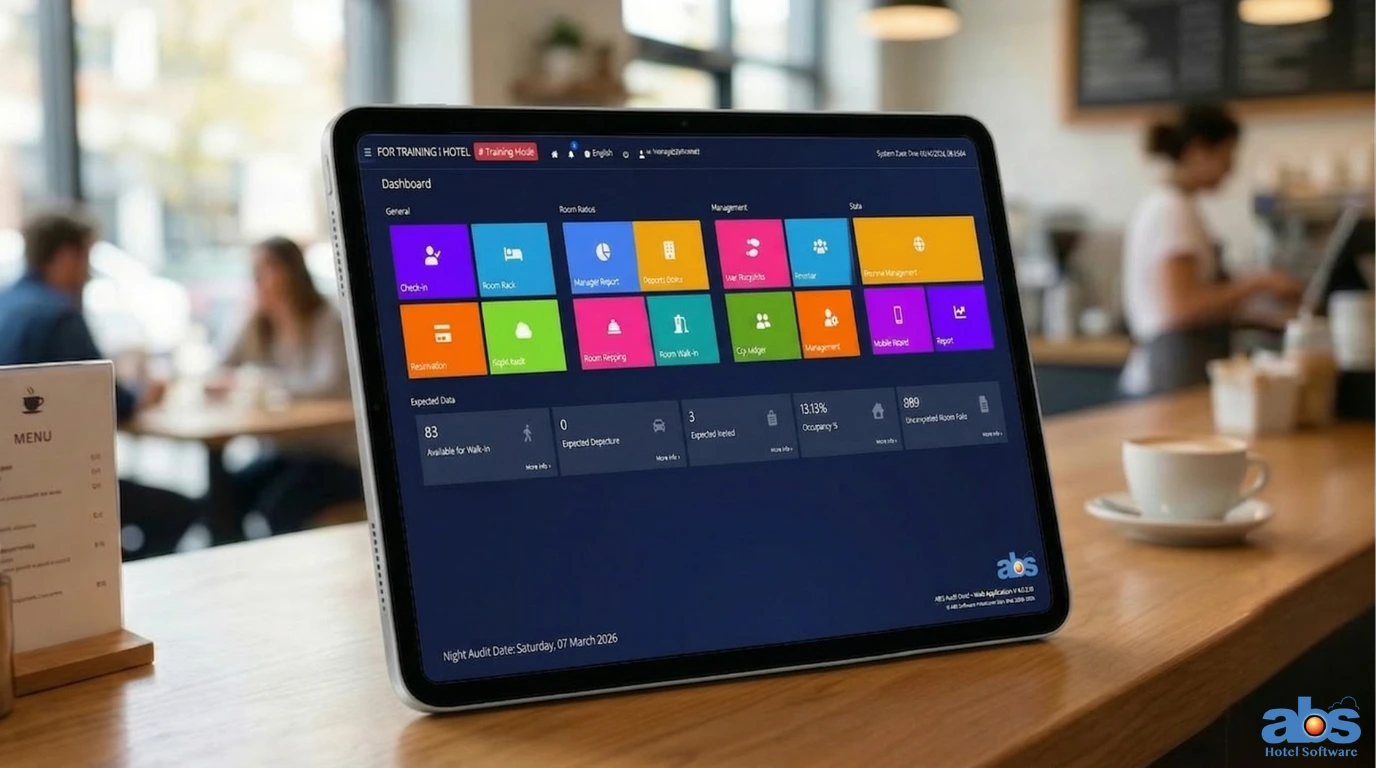
Start with the Right Tools: Look for a comprehensive hotel management system that offers real-time data syncing, intuitive visual dashboards, and seamless integration across your booking engine and channel manager.
-
Train Your Team: Your revenue and front office managers need to understand not just how to read a forecast report, but how to question the data and adjust their daily strategies accordingly.
-
Review and Refine: The best forecasters know that predictions are never 100% perfect. Regularly compare your actual performance to your past projections to identify gaps and improve your future accuracy.
-
Collaborate Across Departments: Break down operational silos. Sales, marketing, and front-of-house teams all possess valuable on-the-ground insights that can make your forecasting model smarter.
The Bottom Line: Future-Proof Your Hotel Operations
In today’s competitive hospitality environment, guessing simply isn’t good enough. Hotels that prioritize and master forecasting gain an undeniable advantage: they optimize their revenue, tightly control their operating costs, and deliver superior guest experiences, all while reducing daily stress on their staff.
The future of hotel management belongs to those who can see it coming.
Frequently Asked Questions (FAQs) About Hotel Forecasting
Q: What is the difference between hotel forecasting and budgeting?
A: A budget is a financial plan that sets a rigid target for revenue and expenses for the year. A forecast is a flexible, constantly updated prediction of what will actually happen based on current market data, booking pace, and trends. Budgets dictate what you want to achieve; forecasts tell you what you are likely to achieve.
Q: How far out should a hotel forecast its demand?
A: Best practices suggest maintaining a rolling 12-month forecast for high-level strategic planning, while focusing intensely on a detailed 30-to-90-day forecast for immediate pricing and staffing adjustments.
Q: What tools do I need for accurate hotel forecasting?
A: At a minimum, you need a robust Property Management System (PMS) that captures clean historical data. For optimal results, this should be paired with a Revenue Management System (RMS) or advanced forecasting modules that incorporate real-time market data, competitor rates, and channel manager insights.