Mastering E-Invoicing for Malaysian Hotels: A Practical Guide to LHDN Compliance
Category: Hospitality Tech | Reading Time: 5-7 minutes | Author: William Tang
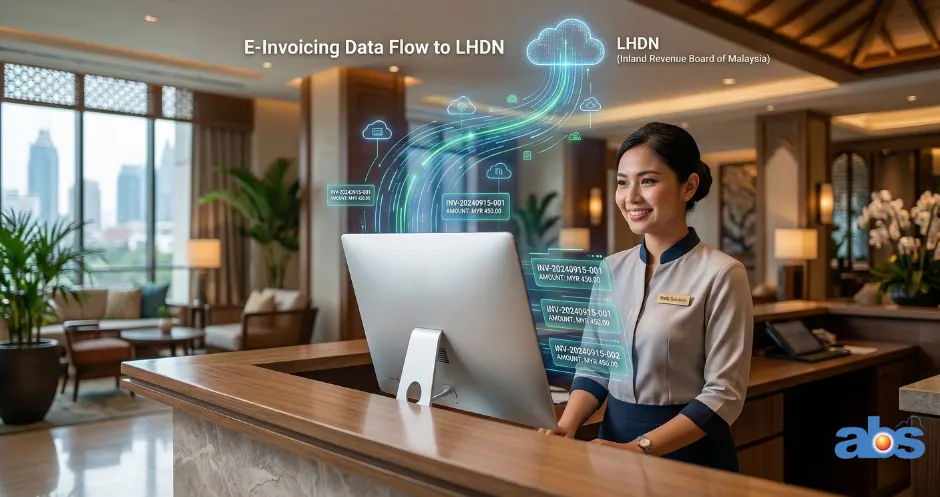
With the Malaysian government’s expansion of mandatory e-invoicing through Lembaga Hasil Dalam Negeri (LHDN), the hospitality industry must rapidly adapt to new digital compliance standards. For hoteliers across Malaysia, this shift impacts every revenue stream, from direct guest bookings to reservations made through Online Travel Agents (OTAs), while carrying significant SST (Sales and Service Tax) implications.
Navigating this new landscape efficiently is essential to ensuring smooth daily operations, maintaining precise tax compliance, and providing a seamless guest experience. This comprehensive guide breaks down the essential best practices for mastering e-invoicing for Malaysian hotels and answers the most common questions regarding guest requests, cancellations, and refunds.
Key Takeaways (TL;DR):
-
Strict Timelines: Guests must request official LHDN e-invoices within the exact same calendar month as their checkout date.
-
Cancellation Protocols: Refunding a guest after an e-invoice is issued requires generating an official e-Credit Note through the MyInvois portal to ensure accurate tax records.
-
Automation is Essential: Integrating your Property Management System (PMS) directly with LHDN eliminates manual data entry errors and streamlines OTA consolidated billing.
5 Best Practices for E-Invoice Management in Malaysian Hotels
To successfully integrate e-invoicing into your hotel’s daily workflow without friction, consider implementing the following five strategies.
1. Strictly Adhere to the E-Invoice Request Timeline
The most critical rule in Malaysian hotel e-invoicing is managing the strict deadline for official requests. Guests are only eligible to request an official LHDN-validated e-invoice after they have checked out, and the request must be submitted within the same calendar month of their stay.
-
Example: If a guest checks out on August 15th, they have until August 31st to submit their e-invoice request.
-
Actionable Tip: Clearly communicate this monthly deadline to guests during the checkout process and on booking confirmation emails to prevent last-minute administrative headaches.
2. Implement a Robust E-Credit Note Workflow for Cancellations
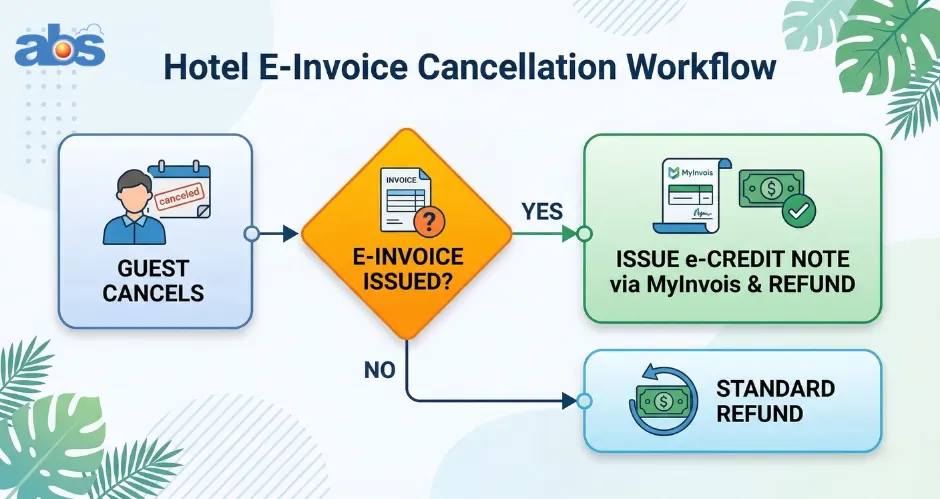
Handling cancellations requires a strict financial workflow. If a booking is cancelled after an official e-invoice has already been generated, you cannot simply delete the record from your system.
Instead, Malaysian tax compliance dictates that you must issue an e-Credit Note through the official MyInvois portal. This financial instrument legally reverses the original invoice, ensuring your hotel’s tax records remain perfectly accurate and auditable.
3. Leverage Hotel PMS Automation to Reduce Invoicing Errors
Manual data entry is highly prone to mistakes, especially in the high-volume environment of a busy hotel lobby. To master e-invoicing, investing in a modern Property Management System (PMS) or accounting software is vital.
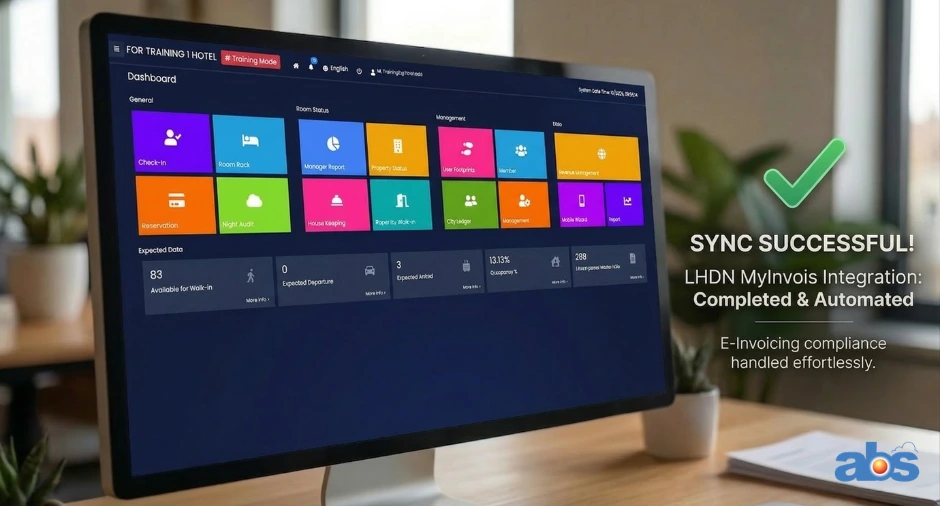
Ensure your system offers direct API integration with the LHDN portal. This automates the generation of e-invoices and e-credit notes in real time, minimizing human error and freeing up your front desk staff to focus on guest satisfaction.
4. Adopt a Consolidated E-Billing Strategy for OTAs
Managing individual guest invoices for bookings made via third-party platforms (like Agoda, Booking.com, or Traveloka)—where the OTA acts as the merchant of record and collects payment—can be incredibly cumbersome.
A standard best practice in hotel e-invoicing is to submit a single, consolidated e-invoice to the OTA at the end of each month covering all their respective bookings. This vastly simplifies your accounts receivable processes and aligns with standard B2B relationships.
5. Prioritize Clear Guest Communication on E-Invoicing Rules
Guest confusion usually stems from a lack of upfront information. Proactively manage guest expectations by publishing a simple “E-Invoicing FAQ” or guide on your hotel’s official website.
Explain the request process, highlight the strict “same calendar month” deadline, and clarify what happens financially in the case of a cancellation. Transparency reduces the volume of time-consuming post-stay inquiries for your reservations team.
3 Key Actions to Streamline Your Hotel’s Digital Invoicing Operations
To ensure your front-of-house and back-office teams are fully prepared for the LHDN mandate, focus your operational efforts on these three pillars:
-
Meticulous Record-Keeping: Maintain a crystal-clear digital log of all bookings. Clearly tag reservations that have been successfully invoiced, cancelled, or modified. This digital paper trail is your first line of defense against tax discrepancies.
-
Comprehensive Staff Training: Ensure your front desk, reservations, and accounting teams are thoroughly trained on the new SOPs. They must know exactly when to trigger an e-invoice, how to issue an e-credit note, and the legal protocol for handling booking modifications.
-
Embrace Integrated E-Invoicing Technology: Relying on legacy manual processes is too risky under the new laws. Upgrade to technology that automates the e-invoicing lifecycle automatically based on dynamic booking statuses (confirmed, amended, cancelled).
Frequently Asked Questions (FAQ): Hotel E-Invoice Scenarios
Here is how to handle the specific, real-world scenarios your front desk will likely encounter.
Q1: When exactly can a hotel guest request an e-invoice?
A: A guest can only request an e-invoice after their checkout date, and the request must be made within the exact same calendar month.
-
Scenario A: Checkout is July 10. Request window: July 10 – July 31.
-
Scenario B: Checkout is July 31. Request window: July 31 only (a one-day window).
Q2: What happens if a hotel guest misses the e-invoice deadline?
A: If a guest fails to request the invoice within the calendar month of their stay, they forfeit the legal right to an official tax e-invoice. You can still provide them with a standard hotel receipt or a summary of charges for their personal expense claims, but it will not be a government-validated e-invoice.
Q3: How do we handle a booking modification after an e-invoice has already been issued?
A: Managing modifications requires a strict “cancel and rebook” approach to maintain compliance:
-
Cancel the original booking in your system.
-
Issue an e-Credit Note to the LHDN portal to reverse the original e-invoice.
-
Create a new booking with the modified dates or room types.
-
Once confirmed and checked out, generate a new e-invoice for the updated reservation.
Q4: What is the process for a paid cancellation when an e-invoice was already issued?
A: This requires a two-step process balancing finances and tax compliance:
-
Financially: Process the refund to the guest’s original credit card or payment method.
-
Compliance: Log into your integrated e-invoicing portal (or PMS) and issue an e-Credit Note. This legal document cancels out the tax liability and financial record of the initial invoice.
Q5: What if a guest cancels their stay after paying, but no e-invoice was issued yet?
A: If an e-invoice was never generated (e.g., the guest booked, paid, but cancelled before checking out or requesting the invoice), the process is straightforward. You do not need to interact with the government e-invoicing portal. Simply process the refund and provide the guest with your standard, internal cancellation notice or credit note.
Conclusion: Future-Proof Your Hotel’s Tax Compliance
While the transition to mandatory e-invoicing introduces new administrative steps for the Malaysian hospitality sector, it does not have to be a burden. By establishing clear internal workflows, proactively educating your guests, and utilizing the right software, you can transform LHDN compliance into a seamless part of the guest journey. Mastering this process ensures your hotel remains 100% compliant with Malaysian tax law while keeping operational efficiency high.
Ready to automate your hotel’s e-invoicing compliance? Stop relying on manual data entry and protect your hotel from costly compliance errors.
Click Here to Request a Demo and Contact our software consultants to see how the ABS Hotel Management System seamlessly handles Malaysian e-invoicing for a frictionless guest experience.
About the Author: William Tang is a Hotel Technology Consultant at BMS Solution, specializing in the Southeast Asian hospitality market. He helps streamline operations and maximize revenue for over 1,500 hotels across Malaysia, Singapore, Indonesia, and the Philippines.