Hotels Are Bleeding Talent: Your 2026 Retention Playbook
Category: Hospitality Management & Technology | Reading Time: 5 Minutes | Author: William Tang
Executive Summary
-
The Core Problem: Hotel staff turnover remains dangerously high in 2026, largely driven by Tech Fatigue from outdated, overly complex legacy systems.
-
The Hidden Cost: Replacing a single trained employee costs three to four times their monthly salary, severely impacting profit margins and creating inconsistent guest experiences.
-
The 2026 Solution: Hotels must implement intuitive, automated Property Management Systems (PMS) that reduce cognitive load, empower Gen-Z workers, and effortlessly handle complex regional compliance (like SST and e-invoicing) so staff can focus on guests.
Let’s be blunt: in 2026, losing 40% to 50% of your hotel staff isn’t just a “turnover problem.” It’s a fundamental business model crisis. While the absolute chaos of the post-pandemic hiring frenzy has cooled down, the hospitality industry—particularly across competitive Southeast Asian markets—remains caught in a volatile labor market that directly threatens service standards and the bottom line.
According to the 2025 Asian Hospitality Labor Report, hotels in seasonal and high-traffic markets are still seeing employee turnover flirt with the 45% mark. This isn’t just about replacing bodies behind the front desk; it’s about stopping the silent drain on your finances, rescuing your team’s morale, and protecting your guest satisfaction scores.
To survive and thrive, hoteliers must move beyond simply hoping people will stay. It is time to start building an environment where they want to. Here is your definitive guide to understanding the true cost of hospitality churn and the strategies—both cultural and technological—that will define hotel staff retention in 2026.
Why Hotel Staff Are Really Leaving in 2026 (Hint: It’s Not Just the Money)
High employee turnover in hospitality isn’t a mystery; it’s a symptom of a deeper operational disease. While stagnant wages and heavy workloads remain valid pain points, a new primary culprit has firmly taken root: Tech Fatigue.
Your employees are quitting clunky, disconnected legacy systems just as frequently as they are quitting bad managers.
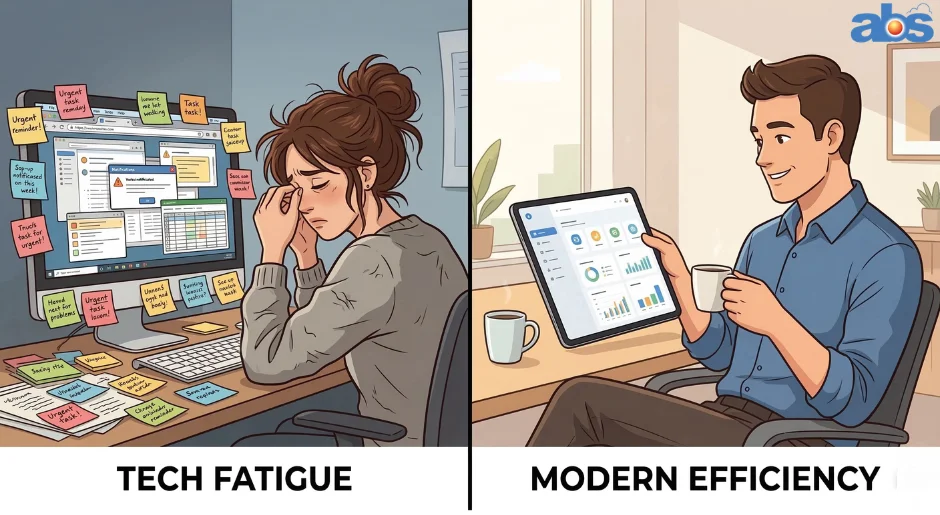
When your hotel property management system (PMS) requires a 40-hour training course just to successfully check a guest in, you aren’t empowering your staff—you’re burdening them. When front desk agents are forced to manually calculate local taxes, navigate complex SST requirements, or fight with disconnected payment gateways, burnout is inevitable. Recent industry data shows that nearly 40% of hotel employees say their frustrating daily experience with the PMS played a major role in their decision to leave a job.
The High Cost of the Hospitality “Revolving Door”
When a trained team member leaves, it doesn’t just create an empty slot on the roster. It creates a destructive ripple effect across your entire property:
-
The Financial Sinkhole: With competition for skilled hospitality labor still fierce, the true cost to replace an employee can easily reach three to four times their monthly salary when factoring in recruiting, hiring, onboarding, and training.
-
The Burnout Cycle: When a tenured, reliable employee leaves, the remaining team is stretched incredibly thin to cover the gaps. This leads to rapid burnout, which triggers more departures, creating a vicious cycle that ultimately collapses your service standards.
-
Inconsistent Guest Experiences: In an era where Generative AI analyzes every online review for sentiment and context, inconsistency is deadly to your brand reputation. A revolving door of newly trained (and often stressed) staff leads to service gaps that your guests can spot from a mile away.
The 2026 Hotel Employee Retention Playbook: 3 Proven Strategies
You can’t stop people from leaving entirely, but you can systematically give them compelling reasons to stay. Here is how top-performing hotels are executing their retention strategies this year:
1. Invest in Career Confidence, Not Just Basic Compliance
Staff training shouldn’t be a one-time onboarding lecture that they immediately forget. It needs to be a continuous investment in your employees’ professional futures.
-
Build a Clear Career Path: Show your front desk agents exactly how they can transition into management. Show your housekeeping staff a realistic path to supervisory roles. When employees clearly see a future at your property, they stop looking for opportunities elsewhere.
-
Implement Tech-First Training: Don’t just teach your staff how to click buttons; teach them why the technology matters. When employees feel highly confident navigating your hotel software, they are much more likely to take on advanced responsibilities and stick around long-term.
2. Rethink Hotel Workplace Culture for the Gen-Z Workforce
As Gen-Z officially becomes the dominant demographic force in hospitality, superficial perks like ping-pong tables in the breakroom won’t cut it. This generation values practical support:
-
Flexible Scheduling: Can your operations support flexible shifts or condensed work weeks?
-
Mental Health Support: Are you actively providing resources to prevent burnout, or are you accidentally encouraging it through understaffing?
-
Cross-Department Connection: Create shadowing days where the night auditor learns what the sales team does, and vice versa. This builds deep empathy and a much stronger, unified team bond.
3. Make Your Hotel Technology Invisible (and Intuitive)
The absolute best technology is the kind your staff never has to fight with. If your current operational systems are a patchwork of disconnected logins, lagging screens, and confusing interfaces, you are actively driving your best talent straight to your competitors.
-
Automate the Mundane: Utilize modern software to free your staff from repetitive, manual data entry. Whether it is automating nightly audits or instantly syncing with national LHDN e-invoicing standards, let the system handle the paperwork so your team can focus on guest interaction.
-
Reduce Cognitive Load: A well-designed, intuitive PMS allows brand-new hires to feel confident running a shift in a matter of days, not months.
Case Study: How the Right Hotel PMS Becomes a Retention Tool
Imagine a front desk agent starting a new job. At a hotel burdened with an outdated legacy system, they face a massive two-week training binder, confusing error codes, and angry guests waiting in line. They feel stupid, unsupported, and frustrated. They quit within three months.
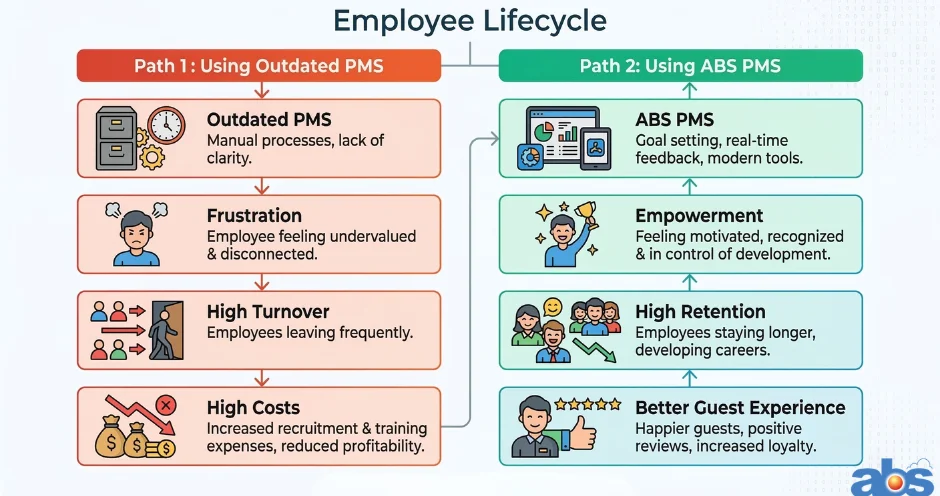
Now, imagine that exact same agent at a property utilizing a human-centered, modern platform like the ABS Property Management System. They are instantly greeted with helpful tooltips, highly intuitive workflows, and smart processes that guide them smoothly through complex tasks. They can confidently manage a busy shift alone in as little as two weeks. They feel capable, empowered, and valued.
Properties that make the switch to intuitive systems report significant operational wins:
-
Drastically Reduced Training Times: New staff become fully productive members of the team much faster.
-
Higher Daily Job Satisfaction: Employees spend significantly less time fighting the computer and more time creating memorable guest experiences.
-
Effortless Upskilling: When the core hotel management system is easy to master, cross-training staff for other roles becomes a breeze, creating a more resilient workforce.
The Bottom Line on Hospitality Retention
You simply cannot tech-support your way out of a toxic workplace culture, but you absolutely cannot culture-support your way out of a broken tech stack.
The hotel operators who will ultimately win the retention battle in 2026 are those who view their employees as their very first customers. By combining a supportive, modern culture with intuitive, empowering technology like the ABS Property Management System, you can instantly ease daily pressure, lighten the operational load, and finally give your most valuable team members a genuine reason to stay.
Ready to Stop the Bleeding?
Don’t let outdated technology cost you your best employees. Discover how a modern, intuitive PMS can transform your staff experience, handle regional compliance effortlessly, and safeguard your bottom line.
[Click Here to Request Demo or Contact Our Software Consultant]
Frequently Asked Questions (FAQs) About Hotel Staff Retention
1.Why is staff turnover so high in the hotel industry?
Staff turnover in the hotel industry is historically high due to demanding hours and stressful guest interactions. However, in 2026, tech fatigue—where staff are forced to use outdated, frustrating software systems—has become the leading cause of employee burnout and resignation.
2.How much does hotel employee turnover actually cost?
Replacing a hotel employee costs between three to four times their monthly salary. This calculation accounts for the hard costs of recruiting and training, plus the soft costs of lost productivity, reduced team morale, and potential drops in guest satisfaction during the transition period.
3.How can a Property Management System (PMS) improve staff retention?
A modern PMS improves retention by drastically reducing the cognitive load on hotel staff. When software automates mundane data entry, offers easy-to-learn interfaces, and eliminates system errors, employees feel more confident, require less training time, and experience significantly less daily frustration.
4.What do Gen-Z hospitality workers care about most?
Gen-Z hospitality employees prioritize workplace flexibility, mental health support, clear career progression, and modern technology. They expect the operational software they use at work to be as intuitive and seamless as the applications they use on their personal smartphones.