Optimizing Guest Satisfaction Through
Self-Service Kiosk Implementation
Category: Hotel Kiosk | Reading Time: 10 Minutes | Author : Javier
In the highly competitive landscape of modern hospitality, guest satisfaction is the ultimate cornerstone of long-term success. It is the clearest indicator that your services are resonating with your target audience. High satisfaction levels directly link to increased guest retention, higher lifetime value, and a stronger brand reputation. Happy guests become loyal guests and powerful advocates for your property.
One of the most effective tools for enhancing this crucial metric is the hotel self-check-in kiosk. However, simply dropping a machine into your lobby isn’t enough. To truly elevate the guest experience, hoteliers must implement these systems thoughtfully. This article outlines the essential best practices for leveraging hotel kiosks to maximize guest satisfaction from the moment they walk through your doors.
What is a Hotel Self-Service Kiosk?
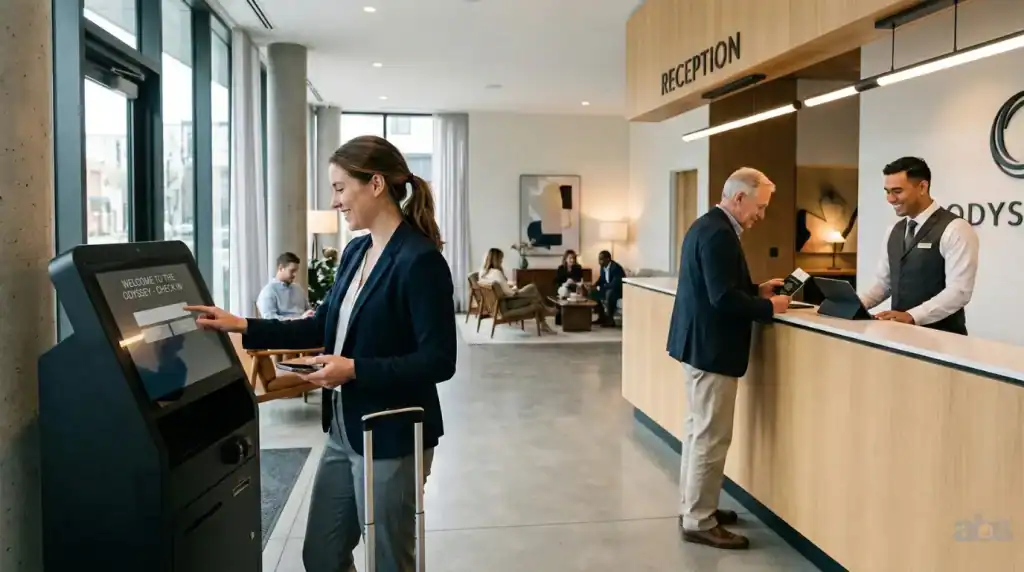
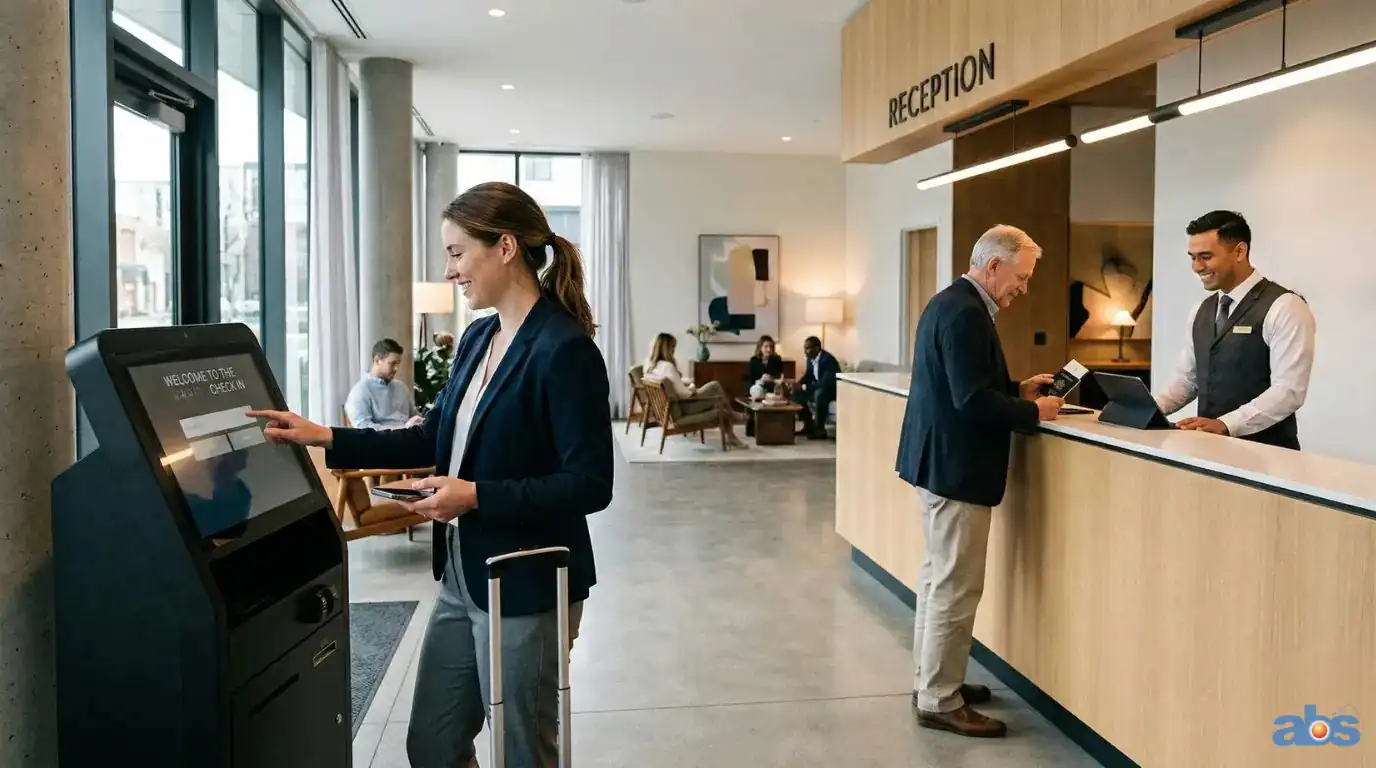
A hotel self-service kiosk is an independent, interactive terminal equipped with a user-friendly touchscreen interface that allows guests to complete check-in and check-out tasks on their own.
Its primary function is to streamline the arrival experience by connecting directly to your Property Management System (PMS). This seamless integration enables guests to locate their reservations, verify their identity, process payments, and receive their encoded room keys without waiting in line at the front desk. The ultimate goal is to reduce lobby congestion, minimize friction, and empower guests with a faster, more efficient check-in process.
Best Practices for Maximizing Guest Satisfaction with Hotel Kiosks
To ensure your investment in kiosk technology translates into happier guests and better reviews, consider the following best practices during your rollout.
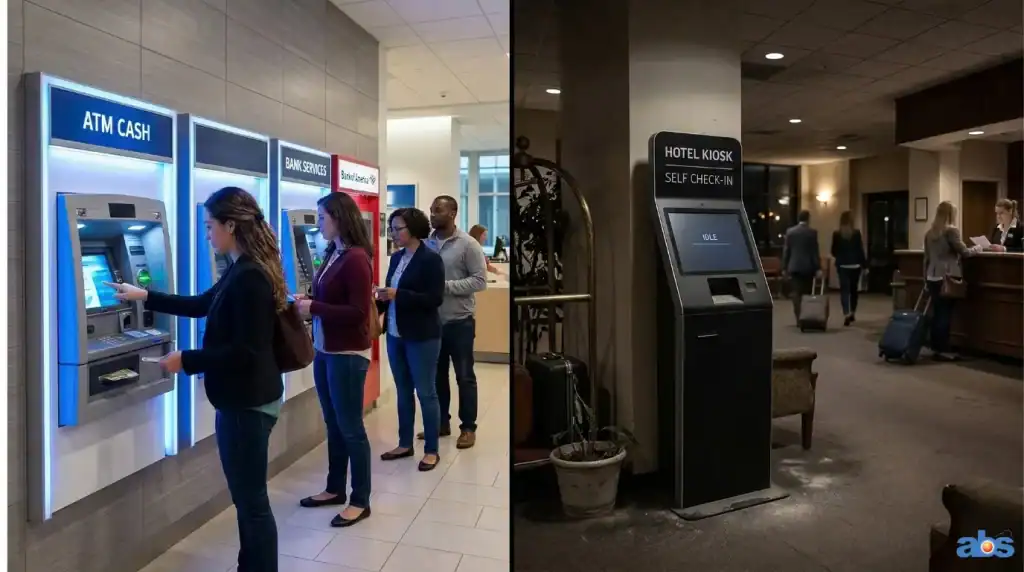
1. Understand Your Guest Demographics for Better Kiosk Adoption
Before purchasing a hotel kiosk system, you must have a deep understanding of who your guests are. Key demographic factors like age, tech-savviness, and language preferences dictate whether a self-service machine will enhance or hinder their stay.
-
Assess Your Audience: Is your primary clientele digital natives, such as business travelers and millennials (ages 15-45)? They are highly likely to appreciate the speed and autonomy of a self-service kiosk. Conversely, if your guests are predominantly older (55+), they may value traditional, personal interaction at the front desk.
-
Avoid a Technological Mismatch: A kiosk that frustrates your guests has the opposite of its intended effect. Research shows that 80% of consumers are more likely to do business with a brand offering personalized experiences. Knowing your audience ensures the technology you introduce is a personalized fit for them.
2. Align the Self-Service Kiosk with Your Hotel’s Brand Aesthetic
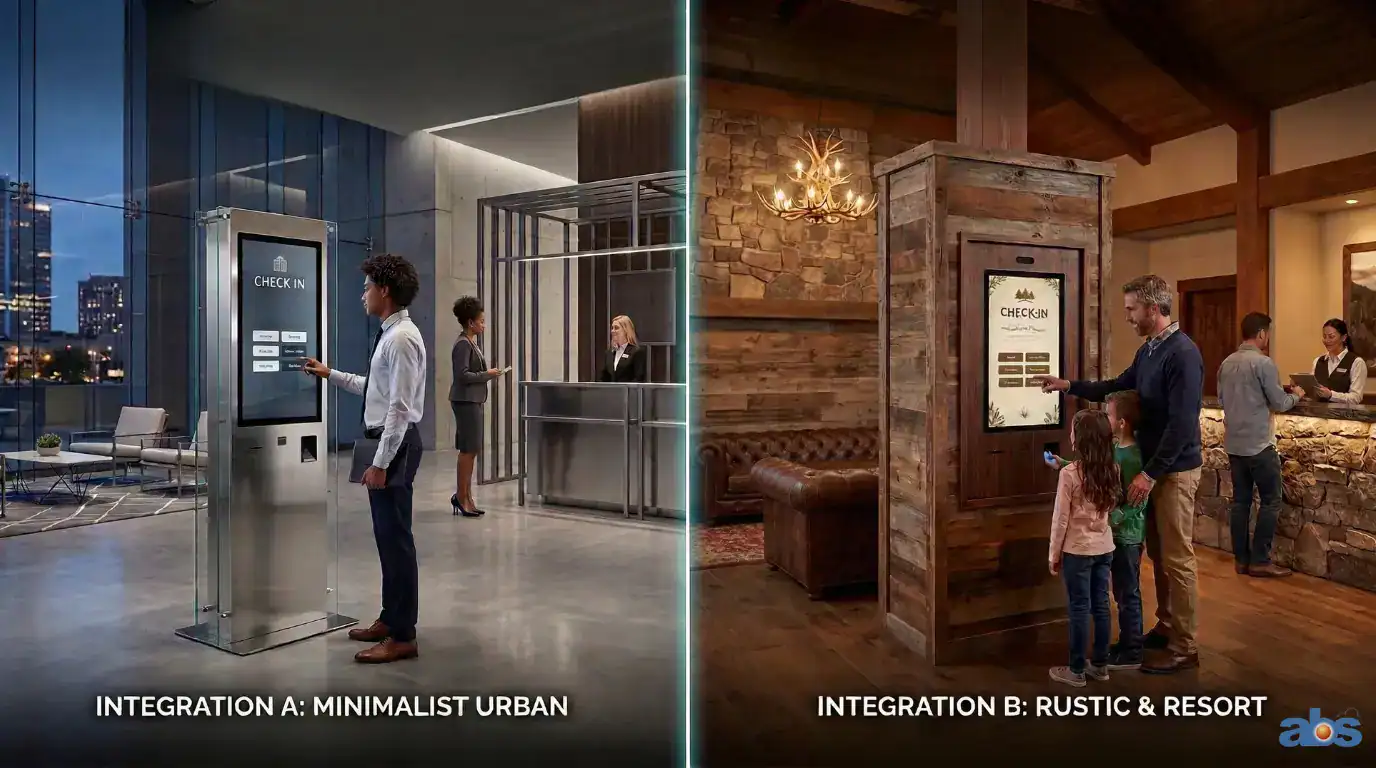
A hotel’s image is the sum of its physical environment, service style, and guest perceptions. Your technology choices must seamlessly integrate with this identity.
-
Consider Your Hotel’s Personality: A sleek, minimalist boutique hotel will find that a modern check-in kiosk reinforces its contemporary image. However, a historic heritage property that prides itself on an analog escape from modern life might find a glowing digital terminal disruptive.
-
Create a Cohesive Experience: If a kiosk clashes with the carefully curated aesthetic of your lobby, it can detract from the overall impression. Customizing the digital interface and the physical casing of the kiosk ensures the technology feels like a natural extension of your brand.
3. Perform Regular Maintenance on Your Hotel Self-Check-In Kiosk
While kiosks are designed to reduce human error, they are not immune to technical issues. A broken or glitchy hotel kiosk creates immediate guest frustration and defeats the entire purpose of automation.
-
Implement a Routine: Establish a regular schedule for software updates, hardware diagnostics, and physical cleaning. Proactive maintenance helps you identify and resolve potential issues before a guest ever encounters them.
-
Secure Reliable Support: When purchasing your system, ensure your supplier provides robust technical support. Quick access to expert help is crucial for minimizing downtime and keeping the guest experience smooth.
4. Prioritize Inclusivity and Accessibility in Kiosk Features
Inclusivity is no longer optional; it is a core expectation for modern consumers. Studies show that a majority of customers believe businesses should be committed to diversity and inclusion. Your self-service kiosk must be accessible to everyone.
-
Offer Multilingual Options: Survey the most common languages spoken by your guests. Offering a clear, simple selection of languages at the very start of the check-in process caters to international travelers and reduces check-in anxiety.
-
Ensure Physical Accessibility: Your kiosk must be usable by guests with disabilities. Essential features include:
-
Audio Guidance: Spoken instructions for guests with visual impairments.
-
Tactile Elements: Incorporating braille on key physical buttons, like payment terminals.
-
Height and Reach: Ensuring the kiosk screen and card dispensers are positioned at an accessible height for wheelchair users (ADA compliance).
-
Conclusion: The Path Forward with Hotel Automation
Self-service hotel kiosks are a powerful tool for enhancing operational efficiency and boosting guest satisfaction. By understanding your audience, aligning the technology with your brand, maintaining it diligently, and designing for inclusivity, you can transform the check-in process from a potential bottleneck into a seamless, positive start to your guests’ stay. A great first impression leads to a happier guest, and a happier guest is the foundation of a highly successful hotel.
Frequently Asked Questions (FAQ) About Hotel Self-Service Kiosks
Q: Will a hotel self-check-in kiosk replace my front desk staff?
A: Not at all. A self-service kiosk is designed to handle repetitive, administrative tasks (like swiping credit cards and encoding room keys). This frees up your front desk staff to focus on what they do best: providing warm hospitality, answering complex guest questions, and offering personalized concierge services.
Q: How do I know if my guests will actually use a self-service kiosk?
A: Look at your guest demographics. If you cater heavily to business travelers, younger demographics, or frequent flyers who are accustomed to airline kiosks, adoption rates will be high. You can also survey your guests post-stay to gauge their interest in automated check-in options.
Q: Can hotel kiosks accommodate international guests who don’t speak English?
A: Yes. One of the best practices for maximizing guest satisfaction is utilizing the multilingual capabilities of your kiosk software. Guests can select their preferred language on the home screen, making the entire check-in process clear and stress-free.
Q: Are hotel check-in kiosks ADA-compliant?
A: High-quality hotel kiosks are designed with accessibility in mind. When selecting a vendor, ensure you ask about ADA compliance, specifically regarding screen height, wheelchair reachability, and features for visually impaired guests like audio guidance and tactile interfaces.